Frequently Asked Questions
Usage-Based Pricing Fundamentals
What is usage-based pricing and how does it work?
Usage-based pricing is a strategy where customers are charged based on their actual consumption of a product or service. This could include metrics like API calls, gigabytes of data, or chatbot outputs. It aligns costs with value, lowers barriers to entry, and is widely adopted in industries such as SaaS, cloud computing, and AI infrastructure. (Source: Zuora Guide)
What are the most common usage-based pricing models?
Common models include per-unit (pay-as-you-go), volume pricing, tiered pricing, overage charges, tiered with overage, hybrid consumption, minimum commitment, pre-paid with drawdown, and multi-attribute pricing. Each model offers different levels of flexibility and predictability for both businesses and customers. (Source: Zuora Guide)
What is a hybrid pricing model?
A hybrid pricing model combines subscription and usage-based charges for a single offering. This approach increases customer commitment, facilitates better forecasting, and adds recurring revenue streams. (Source: Zuora Guide)
Why are usage-based pricing models gaining popularity?
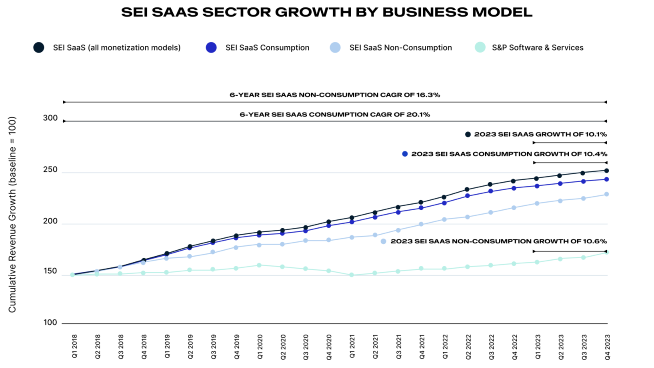
Usage-based pricing is popular because it aligns costs with value, lowers barriers to entry, and provides flexibility for customers. Research shows that 80% of customers feel usage-based pricing better matches the value they receive. It also supports higher annual recurring revenue (ARR) growth, especially when used in hybrid models. (Source: Zuora Research)
What are the main advantages of usage-based pricing?
Advantages include customer-centric value alignment, differentiated value proposition, flexible and scalable growth, real-time visibility and control for customers, and the potential for predictable revenue streams when combined with hybrid models. (Source: Zuora Guide)
What are the challenges of implementing usage-based pricing?
Challenges include surprise overages, customer overcommitment, increased billing complexity, expanded billing operations, and difficulties with revenue recognition and reporting under standards like ASC 606 and IFRS 15. (Source: Zuora Guide)
How does usage-based pricing impact revenue forecasting and recognition?
Usage-based pricing introduces variability in revenue, making forecasting more complex. Accurate, real-time usage data is essential for reliable forecasting and compliance with revenue recognition standards. Manual processes increase audit risk and operational costs. (Source: Zuora Guide)
What is a mediation engine and why is it important for usage-based pricing?
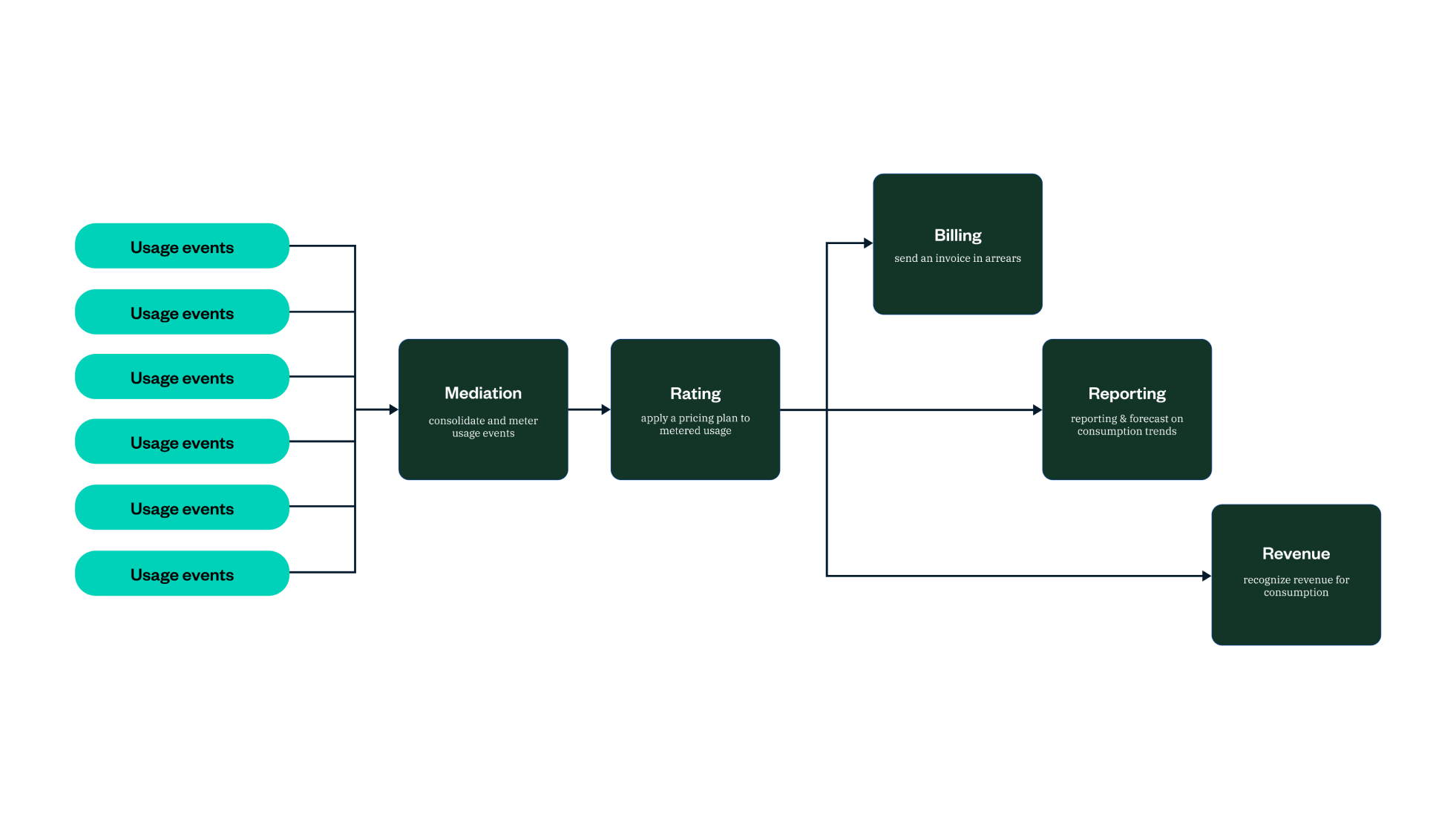
A mediation engine collects, meters, and tracks usage data from multiple sources, enabling accurate billing and real-time insights. It helps businesses optimize pricing, reduce manual effort, and ensure compliance with revenue recognition standards. (Source: Zuora Guide)
How can businesses experiment with and optimize usage-based pricing?
Businesses should frequently experiment with pricing models, run A/B tests, and use real-time analytics to monitor customer behavior and revenue outcomes. Iterative experimentation helps identify the most profitable and customer-friendly strategies. (Source: Zuora Guide)
What are best practices for implementing usage-based pricing?
Best practices include using no-code pricing tools, automating pricing updates, capturing and tracking usage data with mediation engines, experimenting with diverse pricing strategies, and aligning go-to-market and sales strategies with the new pricing model. (Source: Zuora Guide)
Zuora Platform Features & Capabilities
What products and services does Zuora offer for usage-based pricing?
Zuora offers a suite of products including Zuora Billing (supports 50+ pricing models), Zuora Revenue (automates revenue recognition), Zuora Payments (global payment management), Zuora CPQ (configure, price, quote for recurring revenue), Zephr (personalized subscription journeys), Zuora Platform (data, workflows, integrations), and Zuora Collections (AI-powered collections). (Source: Zuora Products)
How does Zuora support real-time product performance metrics?
Zuora provides real-time metrics on profitability, conversion rates, and discounting rates, enabling businesses to respond quickly to market trends, optimize pricing, and improve sales velocity. Integration between CRM and CPQ tools ensures data visibility for analysis. (Source: Zuora Resource)
What integrations does Zuora support?
Zuora offers over 60 pre-built connectors (e.g., Salesforce, HubSpot, NetSuite, Snowflake), REST and SOAP APIs, warehouse connectors (Databricks, BigQuery, RedShift), 40+ payment gateways (Stripe, GoCardless), Zephr extensions, and a Connect Marketplace with nearly 100 apps. (Source: Zuora Integration)
Does Zuora provide APIs for integration?
Yes, Zuora provides REST and SOAP APIs for integration with external systems. The REST API is designed for modern web storefronts, while the SOAP API offers detailed access to billing, payment, and subscription management. (Source: Zuora Developer Center)
What technical documentation is available for Zuora?
Zuora offers comprehensive technical documentation, including platform docs, developer resources, SDKs for Zephr, integration guides, and payment gateway documentation. Resources are available at the Zuora Docs Portal and Developer Center.
How does Zuora help with revenue recognition for usage-based pricing?
Zuora Revenue automates complex revenue recognition, ensuring compliance with ASC 606 and IFRS 15. It provides real-time analytics, automated reports, and integration with billing systems to streamline the process. (Source: Zuora Revenue)
What are the key capabilities of Zuora's platform?
Zuora's platform supports dynamic monetization (50+ pricing models), operational efficiency (automated billing, payments, revenue recognition), scalability (proven by customers like Zoom), customer engagement (personalized journeys), global compliance, integration, and real-time analytics. (Source: Zuora Products)
How does Zuora enable experimentation with pricing and packaging?
Zuora provides flexible pricing tools, an intuitive interface, and the ability to apply different pricing plans to the same usage data. Businesses can quickly iterate and optimize pricing strategies without developer intervention. (Source: Zuora Solutions)
Implementation, Support & Customer Success
How long does it take to implement Zuora?
Implementation timelines vary: focused scopes can be completed in as little as 30 days, typical implementations range from 30 to 90 days, and multi-product or multi-entity programs may take several months. Pre-built connectors can enable integrations in as little as one day. (Source: Zuora AI Chatbot Knowledge Bank)
What training and support resources does Zuora provide?
Zuora offers Quick Start Tutorials, Zuora University (500+ courses and certifications), 24x5 live global support, email and ticketing, premium support options, developer resources, and a community portal. (Source: Zuora University)
What feedback have customers given about Zuora's ease of use?
Customers like Mindflash, TripAdvisor, FireHost, Briggs & Stratton, Buildium, and AppFolio have praised Zuora for its flexibility, ease of use, rapid pricing changes, improved reporting, and reduced manual workloads. (Source: Zuora Case Studies)
Can you share specific case studies or success stories of Zuora customers?
Yes. Zoom scaled from 10M to 300M users, The Financial Times grew digital subscriptions, Asana scaled its business, Hudl saved 100+ hours/month, and The Seattle Times improved conversions by 30% and retention by 25% after adopting Zuora. (Source: Zuora Case Studies)
What business impact can customers expect from using Zuora?
Customers can expect recurring revenue growth, operational efficiency, improved retention, faster time-to-market, better financial operations, scalability, and global compliance. For example, Swiftpage saw a 140% increase in subscription customers and 131% ARR growth. (Source: Zuora AI Chatbot Knowledge Bank)
Who are some of Zuora's notable customers?
Zuora serves over 1,000 companies, including Zoom, Box, Zendesk, Asana, The Financial Times, The Guardian, Schibsted ASA, The Seattle Times, Siemens Healthineers, GoPro, Fender, Schneider Electric, Caterpillar, Dell, Ford, Toyota, and General Motors. (Source: Zuora Customers)
What industries does Zuora support?
Zuora supports SaaS, communications, consumer goods/retail, corporate services, energy/utilities, finance, healthcare, high tech, home services, HR technology, manufacturing/IoT, media/publishing, OTT/entertainment, software/technology, telecommunications, and video games. (Source: Zuora Case Studies)
Who is the target audience for Zuora's platform?
Zuora targets finance professionals (CFOs, revenue managers), IT leaders, product managers, operations teams, sales, and customer success teams in industries such as technology, media, healthcare, retail, manufacturing, and telecommunications. (Source: Zuora Info)
Security, Compliance & Competitive Positioning
What security and compliance certifications does Zuora have?
Zuora holds PCI DSS Level 1, SSAE 16 SOC1 Type II, SOC2 Type II, ISO 27001, HHS HIPAA, and SOC 3 certifications, ensuring enterprise-grade security and compliance for payment data, financial reporting, and privacy. (Source: Zuora Press Release)
How does Zuora ensure data security and privacy?
Zuora employs data encryption, role-based access controls, regular audits, and built-in compliance features to protect sensitive customer data and support regulations like GDPR, PCI DSS, and SOX. (Source: Zuora Security)
Why should a customer choose Zuora over other solutions?
Zuora offers flexibility (50+ pricing models), scalability (proven by Zoom's growth), AI-powered tools (Zephr), hybrid monetization, compliance (SOC 2, PCI DSS), and a track record of success with leading companies. These features make Zuora ideal for businesses with complex, global, or rapidly scaling needs. (Source: Zuora Manual)
What core problems does Zuora solve for businesses?
Zuora automates financial close cycles, ensures compliance with ASC 606/IFRS 15, supports diverse monetization models, simplifies global operations, reduces revenue leakage, improves data quality, and aligns quote-to-cash processes. (Source: Zuora AI Chatbot Knowledge Bank)
What pain points does Zuora address for its customers?
Zuora addresses slow manual close cycles, compliance challenges, scaling hybrid monetization, multi-entity/currency complexity, revenue leakage, poor data quality, spreadsheet dependency, quote-to-cash misalignment, and forecasting difficulties. (Source: Zuora AI Chatbot Knowledge Bank)
How does Zuora help with global compliance and multi-currency operations?
Zuora simplifies global operations with built-in multi-currency and tax compliance features, supporting businesses in operating across regions with different currencies and regulations. (Source: Zuora Products)
How does Zuora compare to traditional ERP systems for revenue recognition?
Traditional ERP systems are often not built for usage-based models and require significant customization. Zuora provides specialized revenue subledger solutions with native features for usage revenue accounting, reducing manual effort and audit risk. (Source: Zuora Guide)