Frequently Asked Questions
Understanding E-Invoicing
What is e-invoicing?
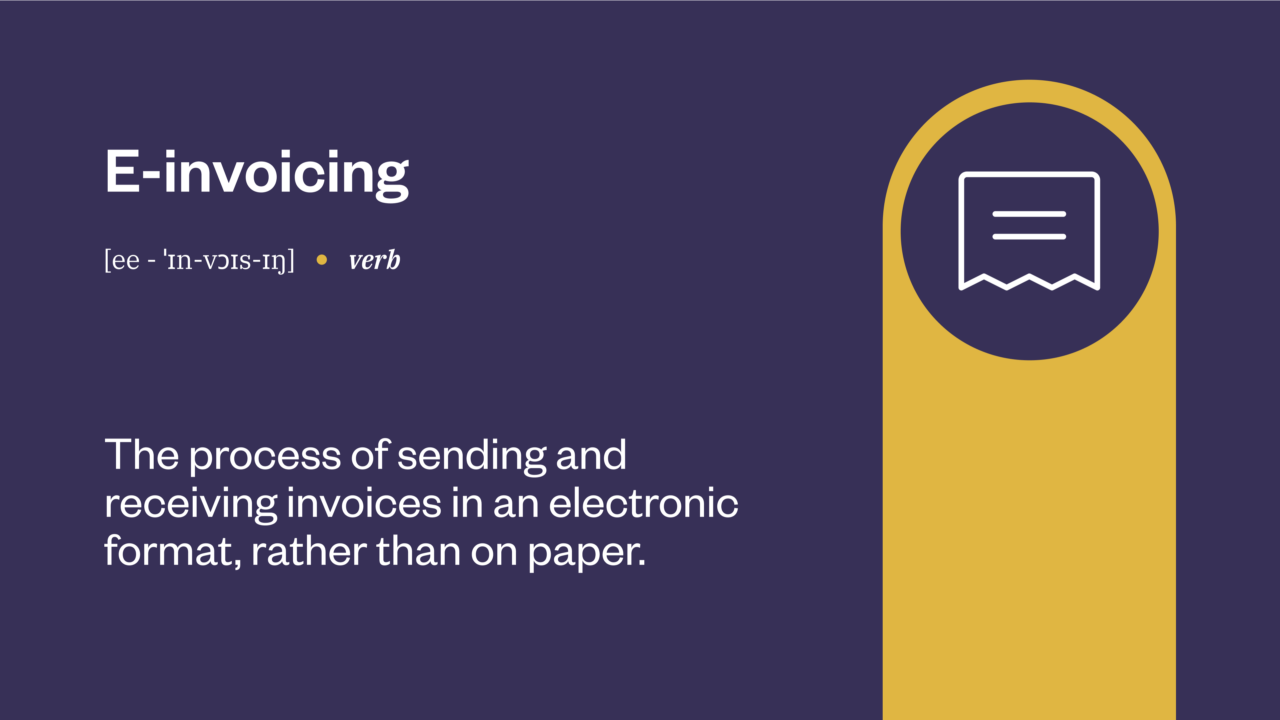
E-invoicing, or electronic invoicing, is the process of sending and receiving invoices in a structured, machine-readable electronic format (such as XML or JSON) rather than on paper. This allows for automated processing by ERP and financial systems, improving efficiency and accuracy. [Source]
How does e-invoicing differ from traditional invoicing?
Traditional invoicing relies on paper documents, which are labor-intensive and prone to errors. E-invoicing digitizes the process, enabling invoices to be issued, sent, and received electronically, reducing manual data entry and streamlining operations. [Source]
What are the main types of e-invoicing?
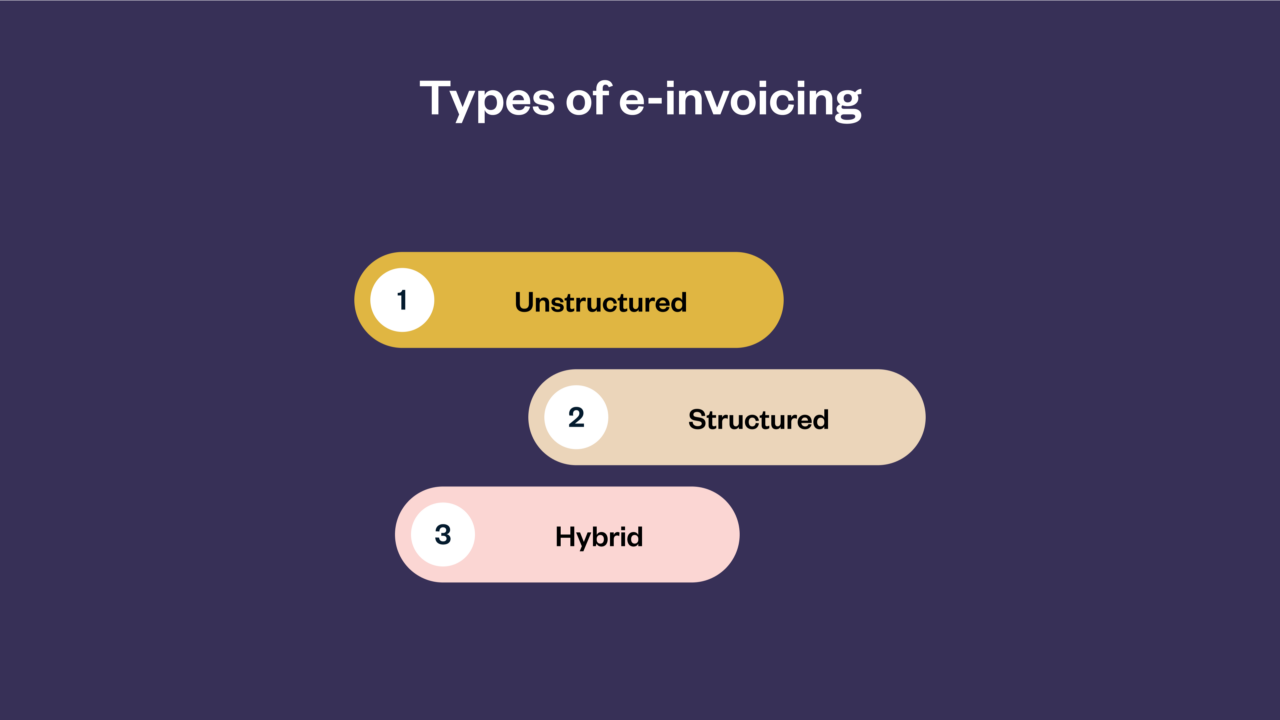
The three main types are: Unstructured (visual, but not machine-readable), Structured (machine-readable, e.g., XML), and Hybrid (combines visual and machine-readable elements). Hybrid is recommended for software-based systems. [Source]
What are common formats used in e-invoicing?
Common formats include UBL (XML), JSON, XML, ISO 20022, Peppol BIS, EDIFACT, and Factur-X. These formats ensure interoperability and compliance with regional standards. [Source]
What is the difference between EDI and e-invoicing?
EDI (Electronic Data Interchange) is a method of e-invoicing that allows for more detailed business transaction data and supports multiple message types, while standard e-invoicing may only contain basic invoice information. [Source]
Who is responsible for creating an e-invoice?
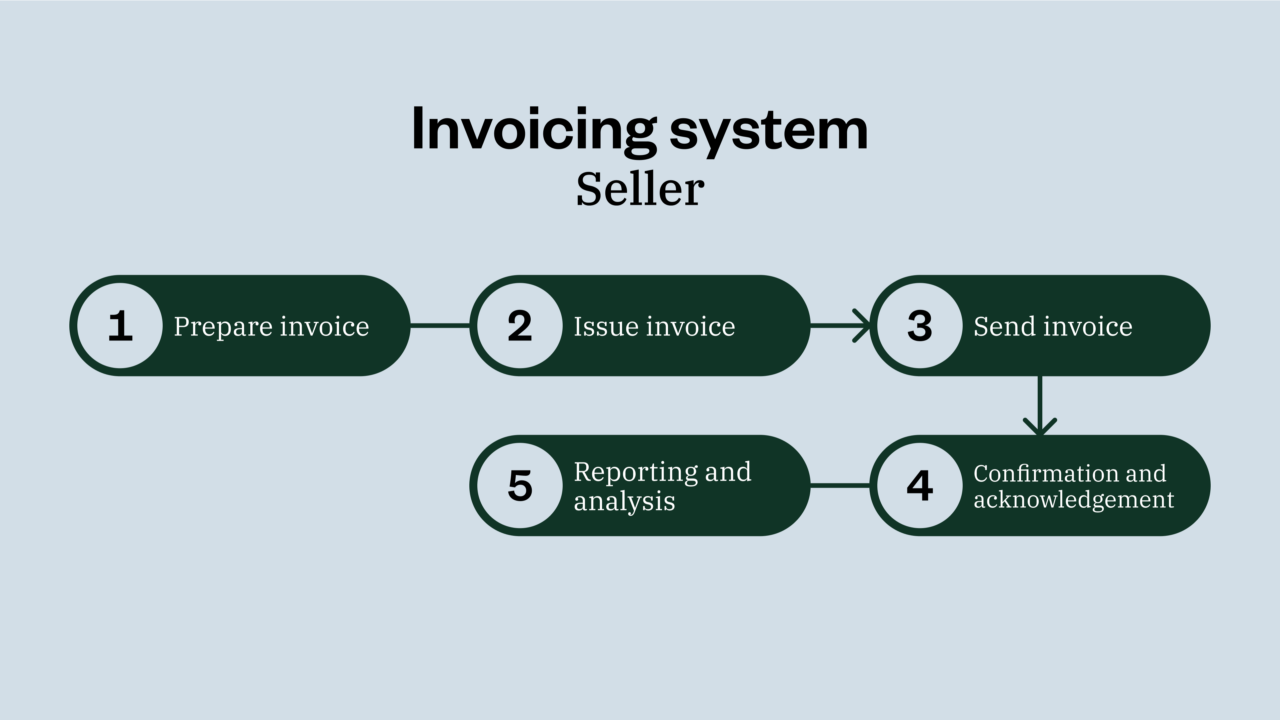
The seller is responsible for issuing an e-invoice to the buyer, detailing the products sold or services rendered. [Source]
Who is eligible for e-invoicing?
Eligibility is typically based on a business's turnover or revenue exceeding a regulatory threshold, which varies by region. [Source]
Is e-invoicing mandatory in the US or UK?
In the US, e-invoicing is not mandatory for B2B transactions. In the UK, it is not required for B2B but is mandatory for public sector transactions. [Source]
What are the steps in the e-invoicing process?
The process typically includes: preparing the invoice, issuing it in a structured format, system validation, sending to the buyer, confirmation and acknowledgement, and record-keeping for analysis and auditing. [Source]
What are the main challenges of implementing e-invoicing?
Challenges include workflow changes, customer resistance, initial implementation costs, integration with existing systems, and variability in legal and regulatory frameworks. [Source]
Benefits & Business Impact
What are the benefits of using e-invoicing?
Benefits include reduced data entry errors, faster invoice processing, accelerated payments, enhanced visibility and tracking, cost savings (up to 80% compared to paper invoicing), improved security, increased productivity, automated validation, and efficient audit trails. [Source]
How does e-invoicing improve cash flow?
E-invoicing accelerates invoice processing far beyond paper-based methods, resulting in faster payments and improved cash flow management. Automated systems see 33% of transactions paid on time, compared to 24% for paper invoices. [Source]
How much can businesses save by switching to e-invoicing?
Businesses can save as much as 80% on invoicing costs by switching from traditional paper methods to e-invoicing, according to the Institute of Finance and Management (IOFM). [Source]
How does e-invoicing help with regulatory compliance?
E-invoicing helps businesses comply with regional and international regulations by providing structured, auditable records and supporting features like digital signatures and secure data exchange. [Source]
How does e-invoicing support environmental sustainability?
By eliminating paper invoices, e-invoicing reduces resource consumption and waste, supporting environmental sustainability initiatives. [Source]
How does e-invoicing improve audit trails and record-keeping?
E-invoicing provides efficient electronic filing and audit trails, making it easier to track payment history and comply with audits compared to paper-based systems. [Source]
How does e-invoicing help reduce fraud?
E-invoicing uses unique seals and certificates, making it difficult to commit fraud or forge documents, thus enhancing security compared to paper-based invoices. [Source]
Regulatory Compliance & Security
What are the regulatory requirements for e-invoicing in different regions?
Requirements vary: The US does not mandate e-invoicing for B2B, the EU requires public sector organizations to accept e-invoices, and countries like Singapore and South Korea have mandatory systems for certain businesses. [Source]
How does Zuora support compliance and security for e-invoicing?
Zuora provides enterprise-grade security with certifications such as PCI DSS Level 1, SOC 2 Type II, ISO 27001, and HIPAA. The platform includes built-in compliance features like data encryption, role-based access controls, and audit trails to help businesses meet global regulatory requirements. [Source]
What security certifications does Zuora hold?
Zuora holds PCI DSS Level 1, SSAE 16 SOC1 Type II, SOC2 Type II, ISO 27001, HHS HIPAA, and SOC 3 certifications, reflecting its commitment to data protection and regulatory compliance. [Source]
Does Zuora help with multi-currency and tax compliance for e-invoicing?
Yes, Zuora supports multi-currency and tax compliance, helping businesses operate globally and comply with regional invoicing and tax regulations. [Source]
Choosing pipeline & Implementation
What should I consider when choosing an e-invoicing solution?
Consider whether you need a cloud-based or on-premises solution, integration with accounting software, industry-specific features, compliance and security, scalability, upgrade paths, tax expertise, and data quality services. [Source]
How does Zuora streamline the e-invoicing process?
Zuora streamlines e-invoicing by automating file generation, providing an intuitive UI and REST API, enabling real-time monitoring and error tracking, and simplifying integration with leading service providers like Sovos and Avalara. [Source]
How long does it take to implement Zuora's e-invoicing solution?
Implementation timelines vary: focused scopes can be completed in as little as 30 days, typical implementations range from 30 to 90 days, and multi-entity programs may take several months. Pre-built connectors can enable integrations in as little as one day. [Source]
What support and training does Zuora offer for e-invoicing?
Zuora provides Quick Start Tutorials, over 500 courses and certifications via Zuora University, 24x5 live global support, and a developer center with SDKs and API documentation. [Source]
What integrations does Zuora offer for e-invoicing and billing?
Zuora offers over 60 pre-built connectors (including Salesforce, HubSpot, NetSuite, Snowflake), REST and SOAP APIs, warehouse connectors (Databricks, BigQuery, RedShift), and supports over 40 payment gateways. [Source]
Does Zuora provide APIs for e-invoicing integration?
Yes, Zuora provides REST and SOAP APIs for seamless integration with external systems, supporting modern web storefronts and detailed billing, payment, and subscription management. [Source]
Zuora Platform & Features
What is Zuora and how does it relate to e-invoicing?
Zuora is a SaaS platform for subscription management, billing, and revenue automation. It streamlines e-invoicing by automating invoice generation, compliance, and integration with financial systems. [Source]
What features does Zuora offer for e-invoicing?
Zuora offers automated invoice file generation, real-time monitoring, error tracking, flexible REST API operations, and seamless integration with third-party service providers. It also supports country-specific configurations and compliance. [Source]
How does Zuora help with real-time product performance metrics?
Zuora provides real-time metrics on profitability, conversion rates, and discounting rates, enabling businesses to respond quickly to market trends and optimize pricing strategies. [Source]
What technical documentation is available for Zuora's e-invoicing features?
Zuora offers comprehensive documentation, including platform guides, API references, SDKs, and integration guides, available at the Zuora Docs Portal and Developer Center. [Source]
What customer feedback has Zuora received regarding ease of use?
Customers like Mindflash, TripAdvisor, and Briggs & Stratton have praised Zuora for its flexibility, ease of use, and ability to quickly adapt pricing models and integrate with other systems, resulting in faster revenue capture and improved operations. [Source]
What industries does Zuora support for e-invoicing and billing?
Zuora supports industries including SaaS, communications, retail, finance, healthcare, manufacturing, media, entertainment, and more, as shown in its case studies. [Source]
Who are some notable Zuora customers using e-invoicing and billing solutions?
Notable customers include Zoom, Asana, The Financial Times, GoPro, Schneider Electric, and The Seattle Times. [Source]
What business impact can customers expect from using Zuora for e-invoicing?
Customers can expect recurring revenue growth, operational efficiency, improved retention, faster time-to-market, and global compliance. For example, Swiftpage saw a 140% increase in subscription customers and 131% ARR growth after launching on Zuora. [Source]