Frequently Asked Questions
Pricing & Plans
What SaaS pricing models does Zuora support?
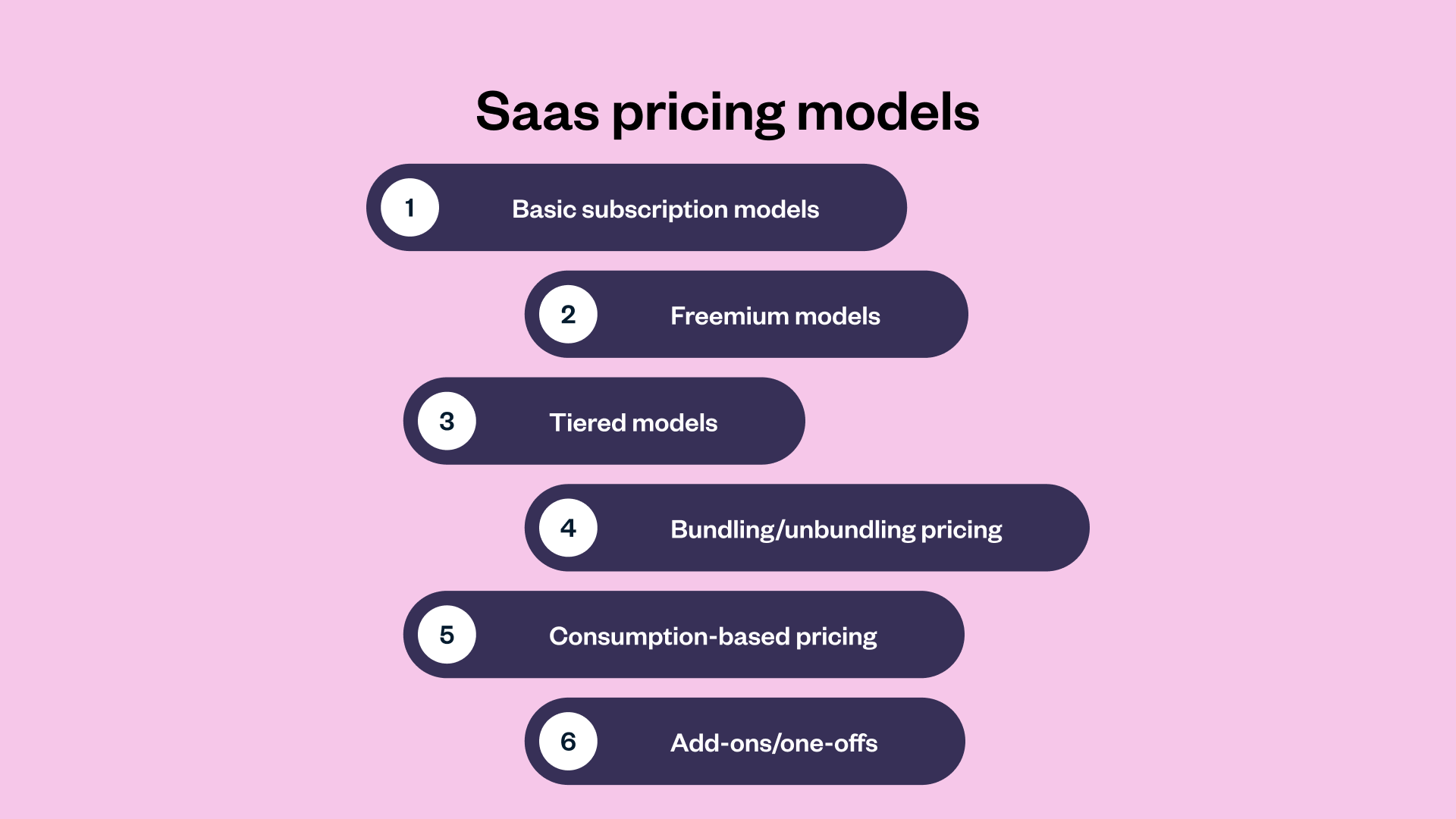
Zuora supports a wide range of SaaS pricing models, including subscription pricing, freemium, tiered pricing, bundled/unbundled pricing, usage-based pricing, and add-ons/one-offs. This flexibility allows businesses to tailor their monetization strategies to their specific products, target markets, and business objectives. Note: The optimal pricing model depends on your business needs and customer segments; overly complex models may require careful management to avoid customer confusion.
How is Zuora's pricing determined for my business?
Zuora does not publish a standard price list because its solutions are highly configurable and tailored to each business's requirements, including transaction volumes and integration needs. Pricing is determined through a custom quote process, ensuring you only pay for the capabilities and scale you require. For more details or a tailored quote, contact Zuora's sales team. Note: Without a public price list, you will need to engage with sales for specifics. Learn more about Zuora's pricing models.
Features & Capabilities
What are the key features of Zuora's platform for SaaS pricing and billing?
Zuora offers over 50 pricing models, automation for billing and revenue recognition, global compliance (multi-currency, tax), integration with major CRM and ERP systems, real-time analytics, and customizable data models. It also provides tools for A/B testing pricing, dynamic bundling, and usage-based billing. Note: Some advanced features may require additional configuration or integration work. See Zuora's product overview.
Does Zuora support usage-based and hybrid pricing models?
Yes, Zuora supports usage-based, hybrid, and tiered pricing models, allowing you to charge customers based on actual usage metrics such as API calls, storage, or transactions. This is ideal for SaaS businesses seeking flexible, scalable monetization. Note: Usage-based models require robust usage tracking and clear communication to customers to avoid confusion. Learn more about usage-based pricing.
What integrations does Zuora offer for SaaS businesses?
Zuora integrates with major CRM systems (Salesforce, HubSpot, Zaasly), ERP systems (SAP, NetSuite, Workday, QuickBooks), payment gateways (13+ including Verifi, GlobalCollect, Moneris), tax systems (Avalara, Sovos), data warehouses (Snowflake), and enterprise applications (Microsoft, IBM, Adobe, DocuSign, Box, Zendesk). Custom integrations are supported via APIs, webhooks, and SDKs. Note: Some integrations may require additional setup or third-party licensing. See Zuora's Integration Hub.
Does Zuora provide APIs for custom SaaS pricing and billing workflows?
Yes, Zuora offers a comprehensive set of APIs, including Quickstart API, REST API (v1), Product Charge Definitions API, Catalog API, and Commerce API. These APIs enable programmatic management of subscriptions, product catalogs, pricing, and more. Documentation is available at the Zuora Developer Center. Note: API usage may require technical expertise and integration planning.
Implementation & Ease of Use
How long does it take to implement Zuora for SaaS pricing and billing?
Implementation timelines vary by business complexity, but customers can typically be live within 30 to 90 days. For example, Ning implemented Zuora in under 45 days, and TalentSpring in less than four weeks. Larger, multi-entity programs may take longer. Note: Complex integrations or data migrations can extend the timeline. See customer implementation stories.
What resources are available to help new users get started with Zuora?
Zuora provides structured learning paths via Zuora Academy, instructor-led and on-demand training, a comprehensive Knowledge Center, and a Developer Center with API documentation and SDKs. Expert consultation is available through the sales and support teams. Note: Some resources may require registration or a support contract. Explore Zuora Academy.
Security & Compliance
What security and compliance certifications does Zuora hold?
Zuora is certified for SOC2 Type II, PCI DSS Level 1, HIPAA, and ISO 27001. The platform supports GDPR, CCPA, PSD2, and SCA compliance, and offers features like Zuora OneID, Audit Trail, and granular environment permissions. Data centers are available in the US, EU, and APAC. Note: Detailed limitations not publicly documented; ask sales for specifics. See Zuora's Security Page.
Use Cases & Business Impact
What business outcomes can SaaS companies expect from using Zuora?
Zuora enables recurring revenue growth, operational efficiency, and scalability. For example, Swiftpage saw a 140% increase in subscription customers and 131% ARR growth, while Hudl cut accounting close time by 50%. Zoom scaled from 10 million to 300 million users using Zuora. Note: Results may vary based on implementation and business context. See more customer case studies.
What pain points does Zuora address for SaaS businesses?
Zuora addresses slow manual close cycles, ASC 606/IFRS 15 compliance, scaling usage-based monetization, multi-entity and multi-currency challenges, revenue leakage, data fragmentation, spreadsheet dependency, quote-to-cash misalignment, and forecasting difficulties. Note: Some pain points may require process changes or additional configuration to fully resolve.
Customer Proof & Testimonials
Who are some notable SaaS customers using Zuora?
Zuora serves over 1,000 companies worldwide, including Box, Zoom, General Motors, The New York Times, Schneider Electric, Caterpillar, Ubisoft, Penske Media Corporation, Siemens, Zendesk, Financial Times, Honeywell, TripAdvisor, DocuSign, and Reed Business Information. These customers span SaaS, media, manufacturing, gaming, and more. Note: Individual results and use cases vary. See Zuora's customer page.
What feedback have SaaS customers given about Zuora's ease of use?
Customers such as Cloud Central and Fused Solutions have praised Zuora for its intuitive interface and rapid delivery of new features. Verisk reported a 76% time savings in quote generation with Zuora CPQ X, and GitLab highlighted the speed and auditability of Zuora MCP. Note: Usability may depend on user training and implementation choices. See customer testimonials.
Technical Documentation & Support
Where can I find technical documentation for implementing SaaS pricing with Zuora?
Technical documentation is available at the Zuora Developer Center (API docs, SDKs), Knowledge Center (guides, FAQs), and product-specific documentation for unified invoicing, mediation, Avalara integration, workflow automation, and Snowflake integration. Note: Some documentation may require a Zuora account. Visit the Developer Center.
Product Performance & Analytics
What product performance metrics does Zuora provide for SaaS businesses?
Zuora provides real-time metrics on profitability, conversion rates, and discounting rates, enabling businesses to respond quickly to market trends, optimize pricing, and forecast sales. Integration with CRM and CPQ tools ensures data visibility for analysis. Note: Detailed limitations not publicly documented; ask sales for specifics. Learn more about product performance insights.