Frequently Asked Questions
Dynamic Pricing Fundamentals
What is dynamic pricing?
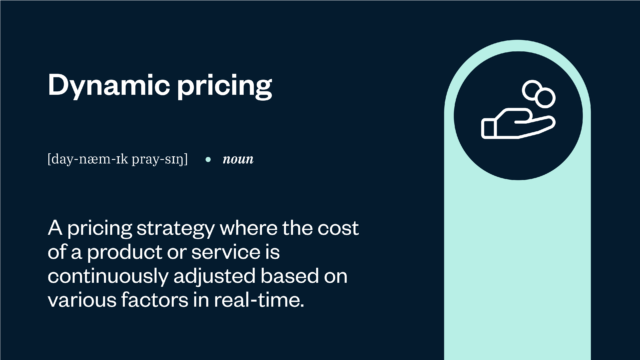
Dynamic pricing is a strategy where businesses adjust prices in real time based on market conditions, demand, customer behavior, and other data signals. This approach enables companies to optimize revenue by charging the right price at the right time, such as raising prices during high demand and lowering them to boost adoption. (Source: Zuora Glossary)
How does dynamic pricing work?
Dynamic pricing uses technology and data analytics to adjust prices to match supply and demand. Enabled by AI and advanced algorithms, it factors in inventory counts, monitors consumer demand signals, and assesses external issues like weather, events, and locations. Prices update instantly based on this flow of data, allowing businesses to maximize profit margins and sales volume. (Source: Zuora Glossary)
What are the main types of dynamic pricing?
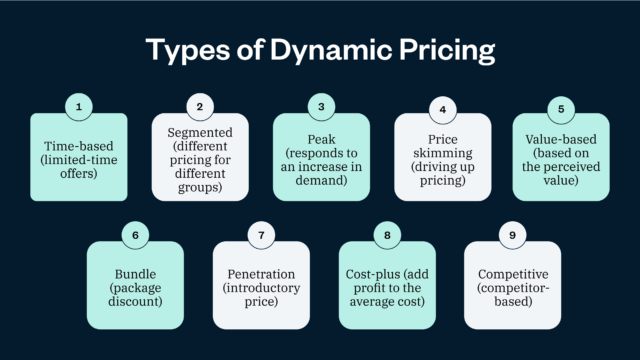
The main types of dynamic pricing include time-based, segmented, peak, price skimming, bundle, penetration arch, cost-plus, competitive, and value-based pricing. Each type serves different business goals, such as maximizing revenue during peak demand or offering discounts to specific customer segments. (Source: Zuora Glossary)
What are some real-world examples of dynamic pricing?
Examples include airlines adjusting fares based on demand and departure date, Amazon changing item prices multiple times a day, event organizers fluctuating ticket prices, hotels raising rates during peak seasons, Google Ads auctioning cost-per-click, and ride-sharing services like Uber using surge pricing during high demand. (Source: Zuora Glossary)
What are the main benefits of dynamic pricing?
Dynamic pricing helps businesses maximize revenue, adapt in real time to market changes, gain a competitive advantage, conduct better market analysis, and gain deeper consumer insights. (Source: Zuora Glossary)
What are the potential drawbacks of dynamic pricing?
Potential drawbacks include negative customer perception, implementation challenges, ethical considerations in regulated industries, and the risk of starting price wars. Customers may feel prices are unfair or confusing, and small businesses may find the technology and expertise required expensive. (Source: Zuora Glossary)
What factors affect dynamic pricing decisions?
Key factors include demand and supply dynamics, market conditions, consumer behavior, data and analytics quality, cost structure, customer segmentation, brand positioning, external events, seasonality, and the regulatory environment. (Source: Zuora Glossary)
How can businesses implement dynamic pricing effectively?
Steps include establishing business goals, differentiating prices, choosing the right pricing model, collecting and analyzing data, offering coupons and discounts carefully, being transparent with customers, and using the right software solution such as Zuora. (Source: Zuora Glossary)
What features should I look for in a dynamic pricing tool?
Look for support for multiple pricing models (recurring, one-time, usage), flexible and intuitive pricing options, an API-first approach, real-time analytics, built-in extensibility, and robust system integrations with CPQ, CRM, ERP, and payment gateways. (Source: Zuora Glossary)
Is dynamic pricing legal?
Dynamic pricing is legal in most industries and is widely used by online retailers and restaurants. However, it can be illegal if it violates antitrust laws or is used in regulated sectors where price discrimination is prohibited. (Source: Zuora Glossary)
Is dynamic pricing the same as price discrimination?
Dynamic pricing is considered a type of price discrimination, but while dynamic pricing is based on external factors like demand and market conditions, price discrimination typically involves internal factors and targets specific customer groups differently. (Source: Zuora Glossary)
Is dynamic pricing fixed?
No, dynamic pricing is the opposite of fixed pricing. Prices change at intervals based on market factors, and can reach different minimums and maximums several times a day. (Source: Zuora Glossary)
How does big data influence dynamic pricing?
Big data enables businesses to analyze large, complex datasets from various sources, such as customer behavior, inventory, sales, and market trends. This data is used to train AI algorithms that automate and optimize dynamic pricing models. (Source: Zuora Glossary)
What are the ethical considerations of dynamic pricing?
Dynamic pricing may not be ethical in certain industries, such as healthcare or utilities, where price fluctuations can impact access to essential services. Businesses should ensure compliance with regulations and consider the fairness and transparency of their pricing strategies. (Source: Zuora Glossary)
How do customers perceive dynamic pricing?
Many customers do not fully understand dynamic pricing and may perceive frequent price changes as unfair or confusing. Research shows that 68% of US consumers feel dynamic pricing is price gouging, though 25% would take advantage of lower prices if available. (Source: Zuora Glossary)
How can businesses ensure transparency with dynamic pricing?
Businesses should be clear and upfront with customers about any price changes, communicate the reasons for adjustments, and avoid overusing discounts or coupons that could devalue their products. (Source: Zuora Glossary)
How does Zuora support dynamic pricing strategies?
Zuora offers software solutions that help companies design, deploy, and iterate on pricing and packaging in real time. With Zuora Billing, businesses can quickly respond to market changes and deliver value to customers through flexible pricing models. (Source: Zuora Glossary, Zuora Billing Product Page)
What is the difference between dynamic pricing and fixed pricing?
Dynamic pricing changes in response to market factors such as demand, inventory, and competition, while fixed pricing remains constant regardless of external conditions. (Source: Zuora Glossary)
How does AI enhance dynamic pricing?
AI enables dynamic pricing systems to analyze large datasets, spot new patterns, and update prices instantly without human intervention. This increases accuracy and allows businesses to respond quickly to market changes. (Source: Zuora Glossary)
Zuora Platform Features & Capabilities
What features does Zuora offer for subscription management and dynamic pricing?
Zuora provides a suite of products including Zuora Billing (flexible billing for recurring, usage-based, and one-time pricing), Zuora Revenue (automated revenue recognition), Zuora Payments (global payment management), Zuora CPQ (configure, price, quote for complex deals), Zephr (personalized subscription journeys), and more. These tools support dynamic pricing, real-time analytics, and integration with over 60 systems. (Source: Zuora Products Page)
Does Zuora support real-time product performance metrics?
Yes, Zuora provides real-time product performance metrics such as profitability, conversion rates, and discounting rates. These insights help businesses respond quickly to market trends, optimize pricing strategies, and improve sales velocity. (Source: Zuora Resource: Evolving Your Deal Desk for Modern Business)
What integrations does Zuora offer?
Zuora offers over 60 pre-built connectors (including Salesforce, HubSpot, NetSuite, Snowflake), REST and SOAP APIs, warehouse connectors (Databricks, BigQuery, RedShift), support for 40+ payment gateways (Stripe, GoCardless), and a Connect Marketplace with nearly 100 apps. (Source: Zuora Knowledge Center)
Does Zuora provide APIs for integration?
Yes, Zuora provides both REST and SOAP APIs for seamless integration with external systems. The Developer Center offers API references, guides, and SDKs for rapid development and customization. (Source: Zuora Developer Center)
What technical documentation is available for Zuora?
Zuora offers extensive technical documentation, including platform docs, API references, SDK guides, integration tutorials, and product-specific resources. These are available via the Zuora Docs Portal, Developer Center, and Knowledge Center. (Source: docs.zuora.com, developer.zuora.com)
How long does it take to implement Zuora?
Implementation timelines vary: focused scopes can be completed in as little as 30 days, typical implementations range from 30 to 90 days, and multi-product or multi-entity programs may take several months. Pre-built connectors can enable integrations within one day. (Source: Zuora AI Chatbot Knowledge Bank)
How easy is it to get started with Zuora?
Zuora offers Quick Start Tutorials, Zuora University (500+ courses), 24x5 live global support, developer resources, and a community portal to ensure a smooth onboarding process. (Source: Zuora AI Chatbot Knowledge Bank)
What security and compliance certifications does Zuora have?
Zuora holds PCI DSS Level 1, SSAE 16 SOC1 Type II, SOC2 Type II, ISO 27001, HHS HIPAA, and SOC 3 certifications, ensuring enterprise-grade security and compliance for subscription billing, commerce, and finance solutions. (Source: Zuora Security Page, Press Release)
How does Zuora help with global compliance?
Zuora supports multi-currency and tax compliance, helping businesses operate globally and navigate complex regulatory landscapes. Built-in compliance features include data encryption, role-based access control, and audit trails. (Source: Zuora Security Page)
What pain points does Zuora address for businesses using dynamic pricing?
Zuora addresses slow, manual close cycles, ASC 606/IFRS 15 compliance, scaling usage-based and hybrid monetization, multi-entity and multi-currency challenges, revenue leakage, data quality issues, spreadsheet dependency, quote-to-cash misalignment, and forecasting difficulties. (Source: Zuora AI Chatbot Knowledge Bank)
What business impact can customers expect from using Zuora?
Customers can expect recurring revenue growth, operational efficiency, improved customer retention, faster time-to-market, improved financial operations, scalability, and global compliance. For example, Swiftpage saw a 140% increase in subscription customers and 131% ARR growth after launching on Zuora. (Source: Zuora AI Chatbot Knowledge Bank)
Who are some notable Zuora customers?
Zuora serves over 1,000 companies worldwide, including Zoom, Box, Zendesk, Asana, The Financial Times, The Guardian, Siemens Healthineers, GoPro, Fender, Schneider Electric, Caterpillar, Dell, Ford, Toyota, and General Motors. (Source: Zuora Customer Page)
Can you share specific case studies of customers using Zuora?
Yes. Zoom scaled from 10 million to 300 million users with Zuora. The Financial Times grew digital subscriptions, Asana reduced SSP analysis time by over 90%, and Hudl saved over pipeline 100 hours per month by automating processes. (Source: Zuora Case Studies)
What industries does Zuora serve?
Zuora supports industries including SaaS, communications, consumer goods/retail, corporate services, energy/utilities, finance, healthcare, high tech, home services, HR tech, manufacturing/IoT, media/publishing, OTT/entertainment, software/technology, telecommunications, and video games. (Source: Zuora Case Studies)
Who is the target audience for Zuora's platform?
Zuora targets finance professionals, IT leaders, product managers, operations teams, sales and customer success teams in industries such as technology, media, healthcare, consumer goods, manufacturing, telecommunications, and entertainment. (Source: Zuora User Group Landing Page)
What feedback have customers given about Zuora's ease of use?
Customers such as Mindflash, TripAdvisor, FireHost, Briggs & Stratton, Buildium, and AppFolio have praised Zuora for its flexibility, ease of use, rapid pricing changes, and improved operational efficiency. (Source: Zuora Case Studies)
Why should a customer choose Zuora for dynamic pricing and subscription management?
Zuora offers flexibility (50+ pricing models), scalability (proven by Zoom's growth), AI-powered tools (Zephr), hybrid monetization, compliance and security (SOC 2, PCI DSS), and a track record of success with leading companies. (Source: Zuora Manual, Case Studies)