Frequently Asked Questions
Product Information
What products does Zuora offer?
Zuora provides a comprehensive monetization platform with key products including Zuora Billing, Zuora Revenue, Zuora Payments, Zuora CPQ, Zephr, Zuora Platform, and Accounts Receivable. Each product addresses specific needs such as subscription management, revenue recognition, payment orchestration, quoting, digital subscription journeys, data management, and automated invoicing. For more details, visit Zuora's Products Page.
What is Zuora Billing?
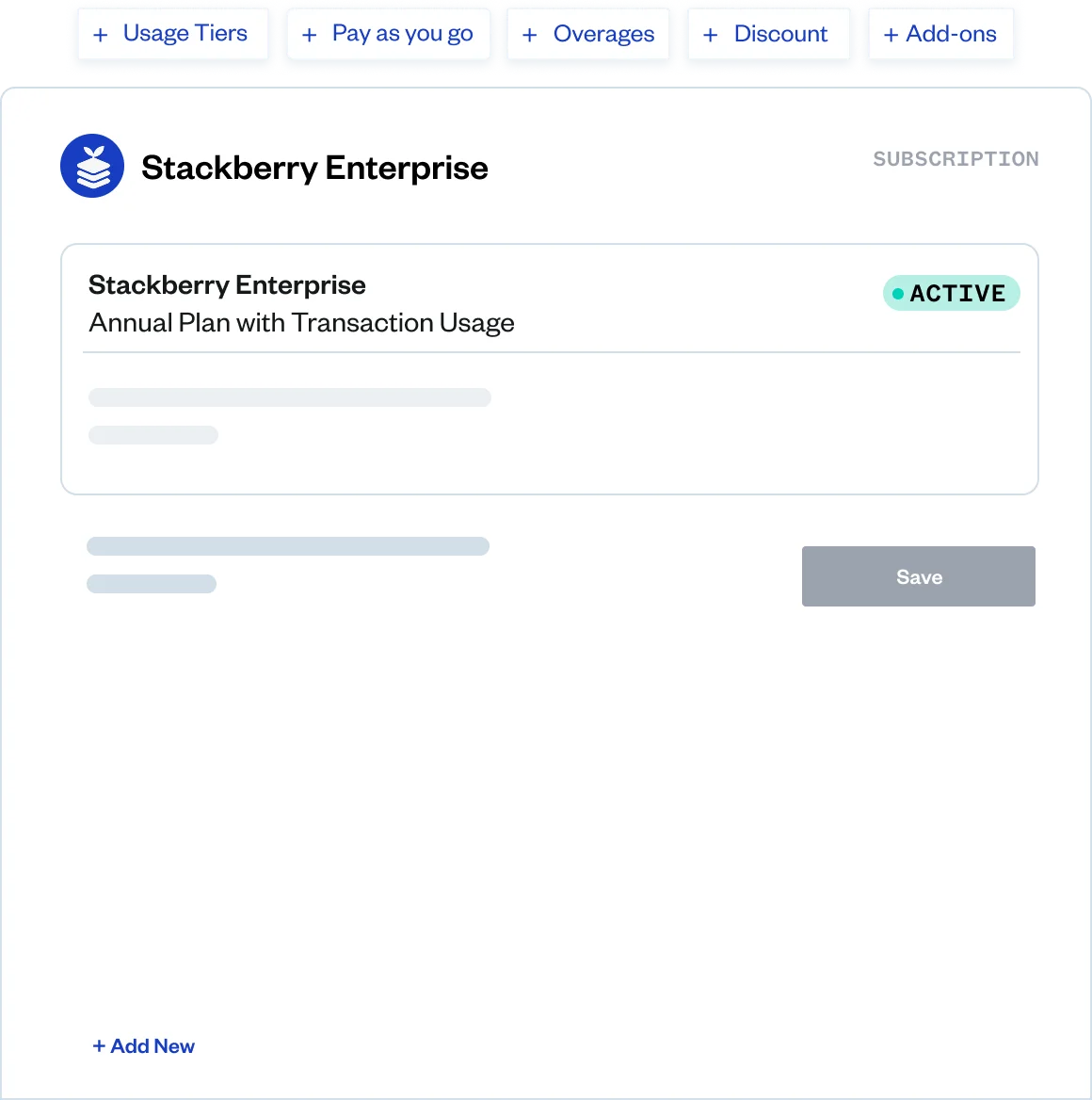
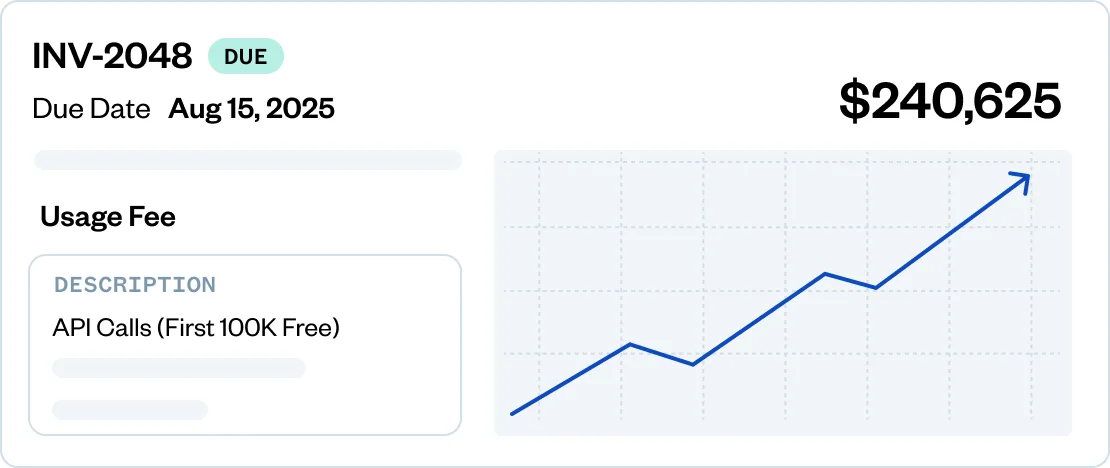
Zuora Billing is a flexible solution for managing recurring, usage-based, and one-time charges at scale. It enables businesses to monetize new offerings, create and manage subscriptions, and automate invoicing processes. Learn more at Zuora Billing Documentation.
What is Zuora Payments?
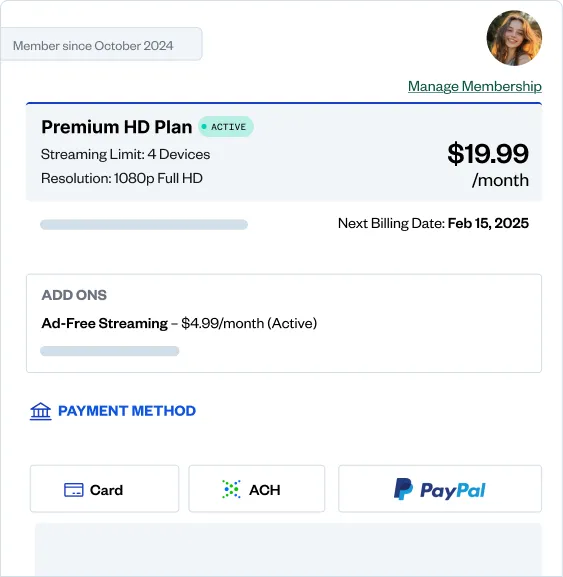
Zuora Payments allows businesses to collect and manage payments, reduce fraud, and boost acceptance rates. It supports integration with multiple payment gateways and methods, and provides features like smart retries and collections automation. See Zuora Payments Documentation for more information.
What is Zuora Platform?
Zuora Platform provides shared capabilities for building, customizing, extending, and integrating with Zuora. It includes tools for data management, workflows, events, custom objects, and system integrations. More details are available at Zuora Platform Documentation.
What is Zuora CPQ?
Zuora CPQ is a Configure-Price-Quote solution designed for subscription and usage-based models. It integrates with Salesforce and enables businesses to configure, price, and quote products with speed and accuracy. For more, visit Zuora CPQ Documentation.
What is Zephr?
Zephr is a Zuora product focused on optimizing digital subscription journeys, particularly for media companies. It offers dynamic paywalls and personalized offers to boost revenue growth and user engagement. See Zephr Documentation for details.
What is Zuora Revenue?
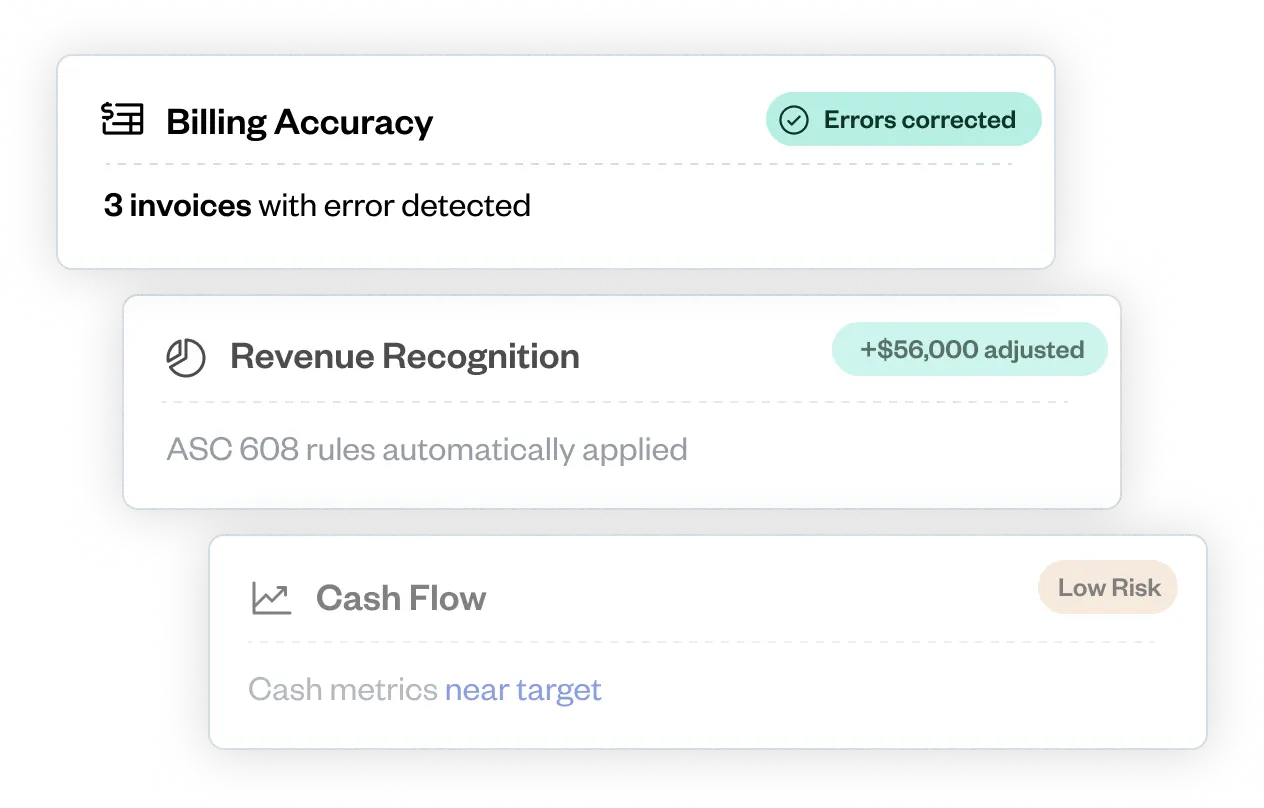
Zuora Revenue automates revenue recognition and reporting, ensuring compliance with standards like ASC 606 and IFRS 15. It helps businesses recognize, reconcile, and analyze revenue automatically. Learn more at Zuora Revenue Documentation.
What is Zuora Accounts Receivable?
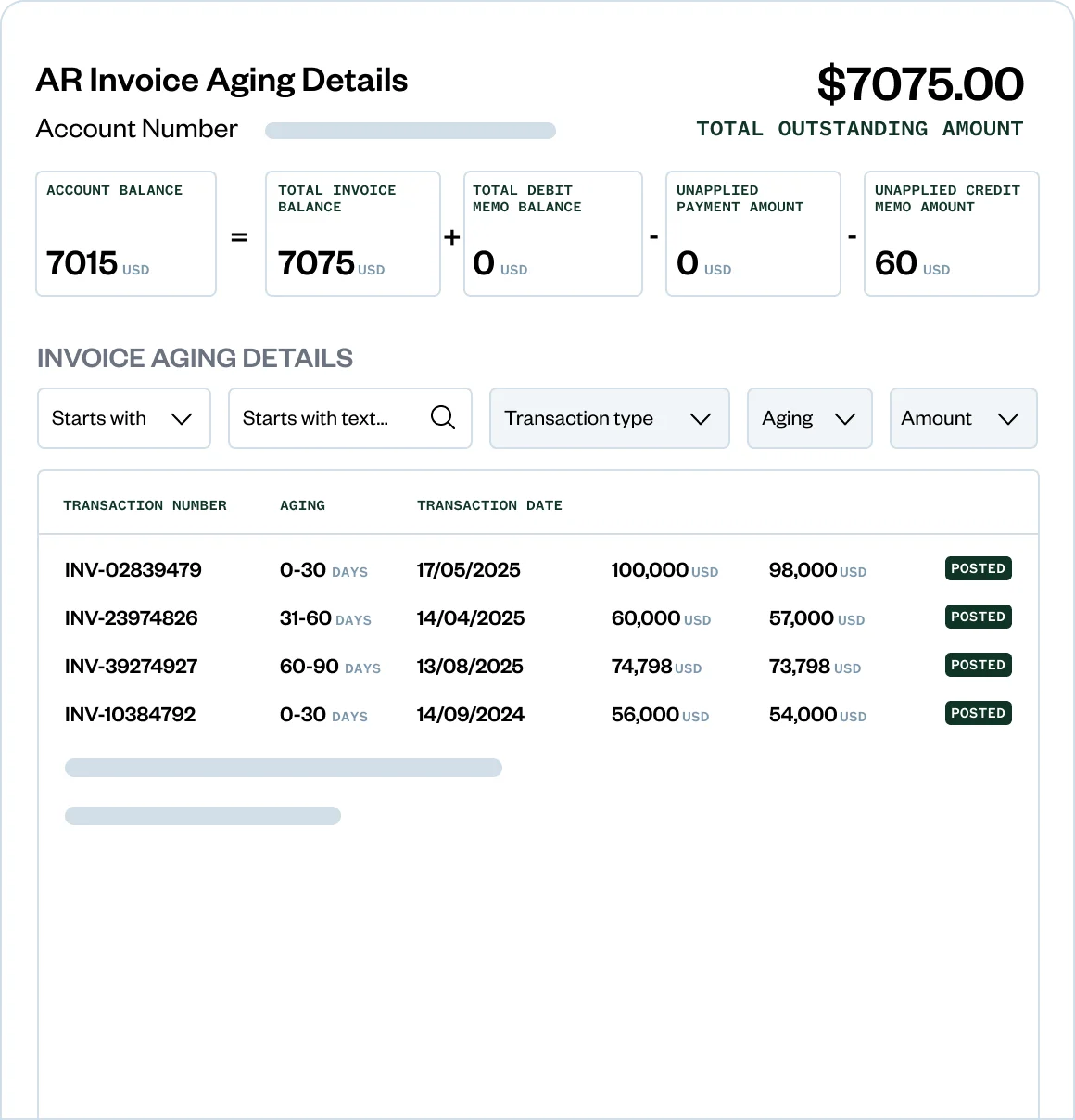
Zuora Accounts Receivable automates invoicing and collections to improve cash flow, mitigate financial risk, and ensure financial accuracy. For more, visit Accounts Receivable Documentation.
Where can I find Zuora product documentation?
All Zuora product documentation is available at https://docs.zuora.com, where you can browse by product, access overviews, setup guides, and feature documentation.
What resources are available for developers?
Zuora offers a Developer Center with API documentation, SDKs, integration guides, and changelogs. Visit Zuora Developer Center for comprehensive resources.
How can I get started with Zuora?
To get started, explore the Basics section at Zuora Basics for fundamental information, and visit Zuora University for training and certifications at Zuora University.
Where can I find release notes for Zuora products?
Release notes for all Zuora products are available at Zuora Release Notes, including the latest updates and previous releases.
What is the Zuora Community?
The Zuora Community is a platform where users can connect, share, and collaborate with other Zuora customers and experts. Access it at Zuora Community.
What are entitlements in Zuora?
Entitlements in Zuora refer to the rights and access customers have to specific products or services. You can explore current and legacy entitlements at Zuora Entitlements.
How do I migrate data from legacy systems to Zuora?
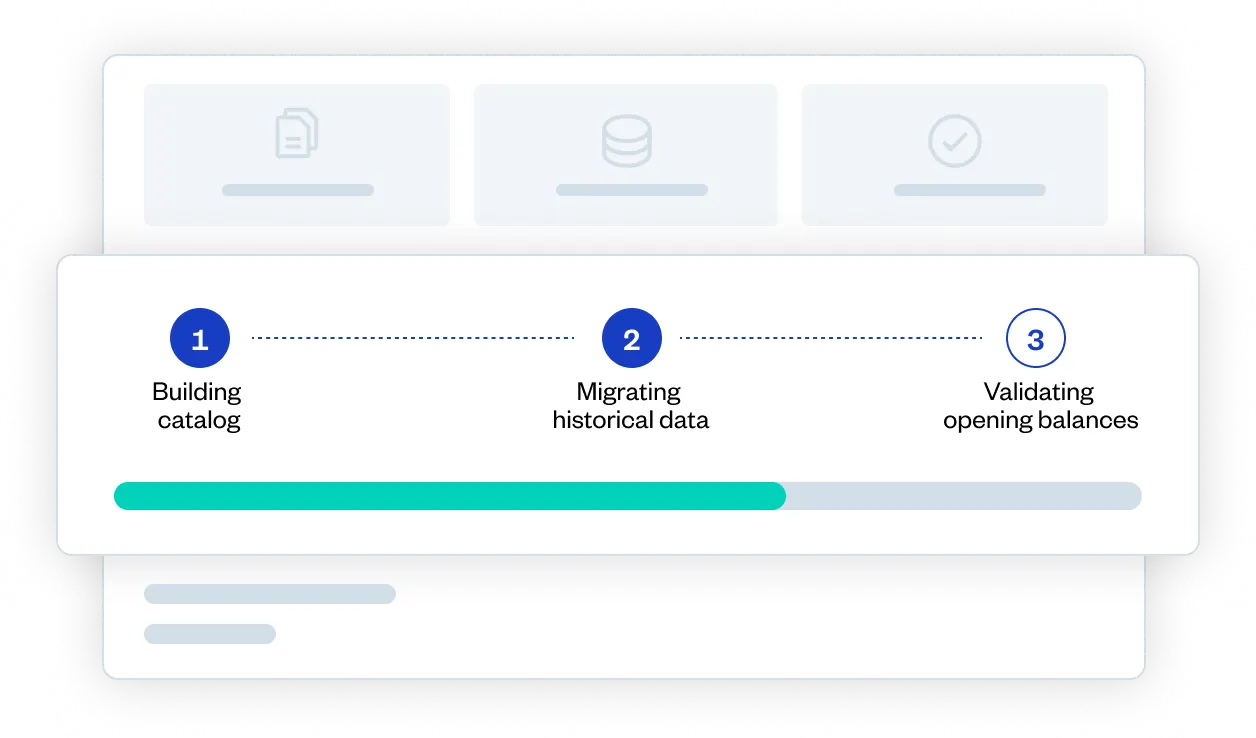
Zuora provides documentation and tools to help migrate data from legacy systems. Visit Migrate Data to Zuora for step-by-step guidance.
Where can I find support and service policies for Zuora?
Support and service policies are detailed at Zuora Support and Policies, including support levels, SLAs, and escalation procedures.
How do I get familiar with the Zuora user interface?
Zuora offers a guide to help users get familiar with the interface at Zuora User Interface Guide.
How do I set up countries, regions, and subregions in Zuora?
Instructions for setting up countries, regions, and subregions are available at Zuora Setup Guide.
What are the basics I should know before using Zuora?
The Basics section at Zuora Basics covers fundamental information about using Zuora, including navigation, setup, and key concepts.
How can I access training and certifications for Zuora?
Zuora University provides training courses and certifications to help users achieve business needs. Visit Zuora University for more information.
How do I connect with other Zuora users?
You can connect, share, and collaborate with other users through the Zuora Community.
Features & Capabilities
What are the key capabilities of Zuora's platform?
Zuora's platform enables flexible pricing and product catalog management, recurring and usage-based subscription management, automated billing and taxation, payment orchestration, and automated revenue recognition. It also offers robust integration capabilities and compliance features. Source: Zuora Products
Does Zuora support multiple pricing models?
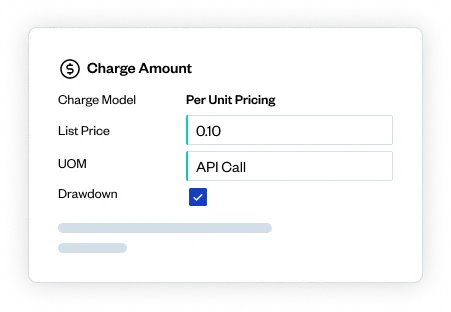
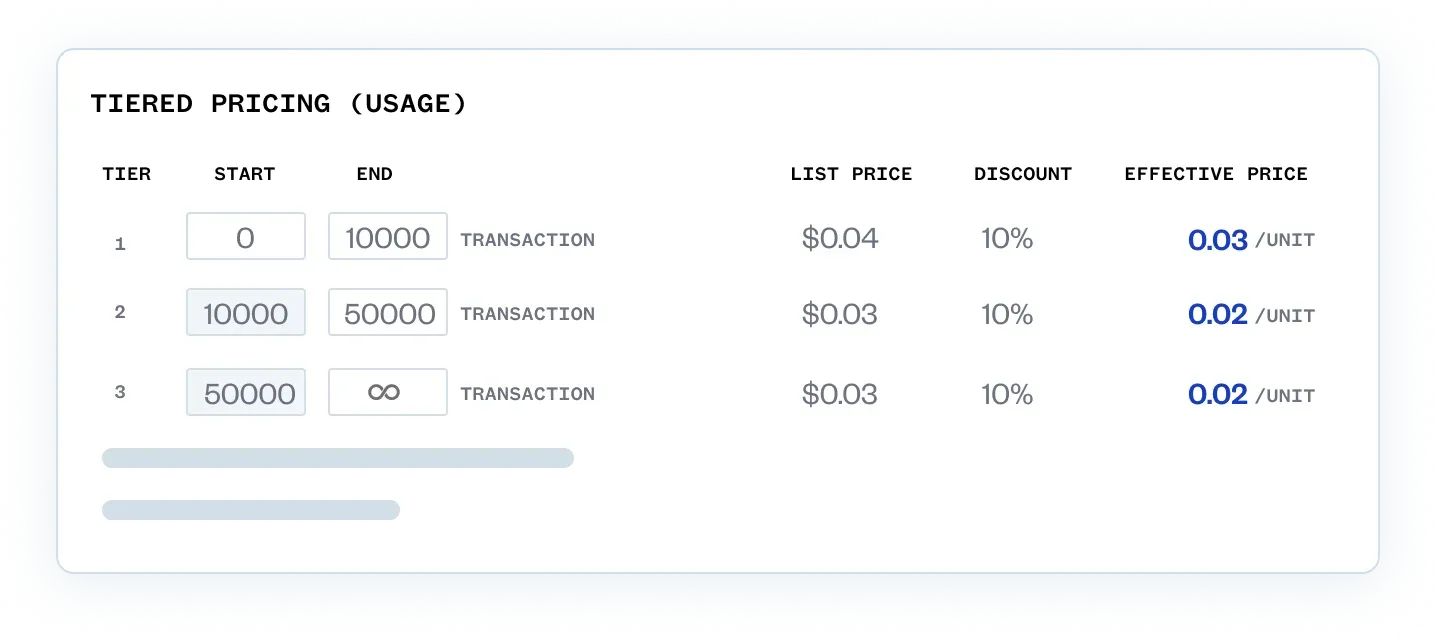
Yes, Zuora supports over 50 pricing models, including subscription, usage-based, hybrid, and outcome-based models, allowing businesses to tailor offerings to diverse customer needs. Source: Zuora Products
What integrations does Zuora offer?
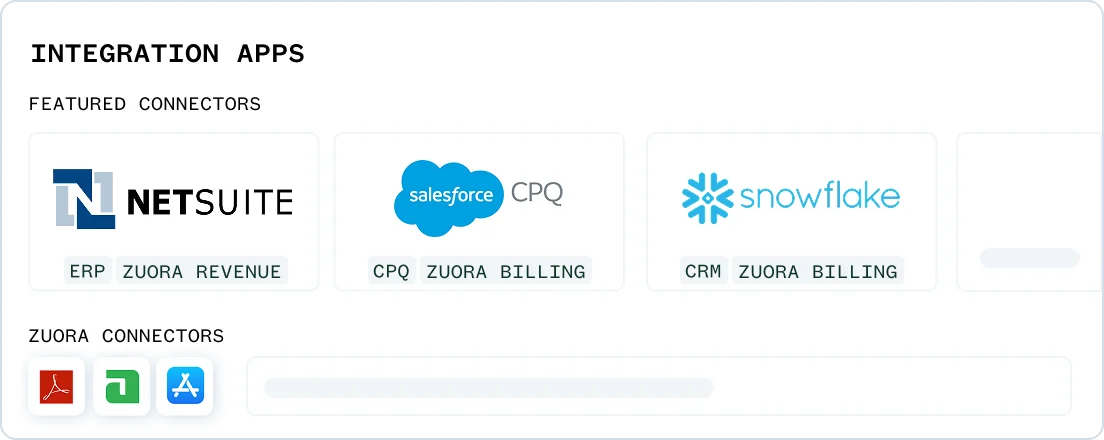
Zuora offers extensive integrations with CRM systems (Salesforce, HubSpot, NetSuite), payment gateways (Stripe, GoCardless), data warehouses (Snowflake, Databricks), ERP systems (SAP, Workday), and more. The Integration Hub hosts 60+ pre-built connectors. Source: Zuora Integration Hub
Does Zuora provide APIs for integration?
Yes, Zuora provides SOAP and REST APIs, as well as v1 and Quickstart APIs, for seamless integration with external systems. Additional APIs are available for Zephr and content management. See Zuora Developer Center for details.
How does Zuora help with revenue recognition and compliance?
Zuora Revenue automates revenue recognition and reporting, ensuring compliance with ASC 606 and IFRS 15 standards. This reduces manual work and audit risks. Source: Zuora Revenue
What analytics and reporting capabilities does Zuora provide?
Zuora offers real-time product performance metrics, profitability analysis, conversion and discounting rates, and advanced analytics through integrations with data warehouses like Snowflake and BigQuery. Source: Evolving Your Deal Desk
Does Zuora support global operations and multi-currency?
Yes, Zuora supports multi-entity, multi-currency, and global compliance, enabling businesses to operate across regions and manage tax and regulatory requirements efficiently. Source: Zuora AI Chatbot Knowledge Bank
What automation features does Zuora offer?
Zuora automates billing, invoicing, collections, revenue recognition, and financial reporting, reducing manual processes and improving operational efficiency. Source: Zuora Products
How does Zuora handle customer engagement and retention?
Zuora enhances customer engagement through personalized subscription models, dynamic paywalls (via Zephr), and flexible pricing, helping reduce churn and increase lifetime value. Source: Zephr
What technical documentation is available for Zuora products?
Zuora provides detailed product documentation, API references, SDK guides, and changelogs at the Developer Portal and Knowledge Center.
Security & Compliance
What security and compliance certifications does Zuora have?
Zuora holds certifications including PCI DSS Level 1, SOC 1 Type II, SOC 2 Type II, ISO 27001, ISO 27018, ISO 27701, HIPAA Compliance, and Safe Harbor Compliance. For the latest list, visit Zuora Legal & Compliance.
How does Zuora ensure data security?
Zuora provides enterprise-grade security with encryption, access control, audit logging, and data-center options in US/EU/APAC. Built-in compliance features and secure integration hubs help protect sensitive information. Source: Zuora Platform Security
Is Zuora compliant with healthcare data regulations?
Yes, Zuora is HIPAA compliant for appropriate use cases, ensuring the protection of sensitive healthcare information. Source: Zuora Legal & Compliance
How does Zuora support global compliance?
Zuora provides tools for managing compliance across diverse locales, entities, and regulations, enabling businesses to operate globally without risk. Source: Zuora Legal & Compliance
Use Cases & Benefits
Who can benefit from using Zuora?
Zuora is designed for professionals in finance, revenue operations, product management, and IT, as well as companies in technology, SaaS, media, healthcare, manufacturing, and consumer services. Source: Zuora Customer Case Studies
What industries does Zuora serve?
Zuora serves industries including Business IoT Services, Communications, Consumer Goods/Retail, Corporate Services, Education, Energy, Finance, Healthcare, High Tech, Manufacturing, Media/Publishing, OTT/Entertainment, Retail, Software, Telecommunications, and Video Games. Source: Zuora Case Studies
What business impact can customers expect from Zuora?
Customers can expect recurring revenue growth, operational efficiency, improved customer retention, scalability, better reporting, faster time-to-market, and compliance with global standards. Source: Zuora Customers
Can you share some customer success stories?
Yes, notable success stories include Siemens Healthineers automating revenue for digital health products, Zoom scaling from 10M to 300M users, and The Globe and Mail modernizing its subscription stack. See more at Zuora Case Studies.
What feedback have customers given about Zuora's ease of use?
Customers like Mindflash, LEAP Legal Software, TripAdvisor, Buildium, and Carbar have praised Zuora for its flexibility, ease of use, rapid implementation, and seamless integration. See testimonials at Zuora Customer Stories.
Pain Points & Solutions
What common pain points does Zuora address?
Zuora addresses slow manual close, painful reconciliations, compliance challenges, scaling usage-based models, multi-entity operations, cash flow issues, data quality, spreadsheet dependency, quote-to-cash misalignment, and forecasting difficulties. Source: Zuora AI Chatbot Knowledge Bank
What core problems does Zuora solve for businesses?
Zuora solves issues with outdated billing systems, manual processes, revenue leakage, scaling challenges, integration complexities, compliance risks, customer churn, operational inefficiencies, and employee burnout. Source: Zuora AI Chatbot Knowledge Bank
Implementation & Support
How long does it take to implement Zuora?
Implementation timelines typically range from 30 to 90 days, with focused scopes as short as 30 days. Some integrations, like Z-NetSuite, can be completed in one day. Source: Zuora Press Release
What training and support does Zuora offer?
Zuora University offers 500+ courses and certifications. Technical support includes 24x5 live global support, email, ticketing, and premium options like Technical Account Managers. Source: Zuora Support Portal
What developer resources are available for onboarding?
Developers can access SDKs, API documentation, and integration guides through the Zuora Developer Center. Quickstart tutorials and changelogs are also available. Source: Zuora Developer Center
Competition & Differentiation
Why choose Zuora over other subscription billing solutions?
Zuora stands out for its flexibility (50+ pricing models), scalability (proven by Zoom's growth), AI-powered tools (Zephr), hybrid monetization, audit-ready compliance, and a track record of customer success. Source: Zuora Products
What features differentiate Zuora from competitors?
Zuora's differentiators include support for complex pricing models, proven scalability, AI-powered personalization, hybrid monetization, robust compliance, seamless integrations, and automation of revenue processes. Source: Zuora Products