Frequently Asked Questions
Product Overview & Core Concepts
What is Zuora Accounts Receivable (AR) Automation?
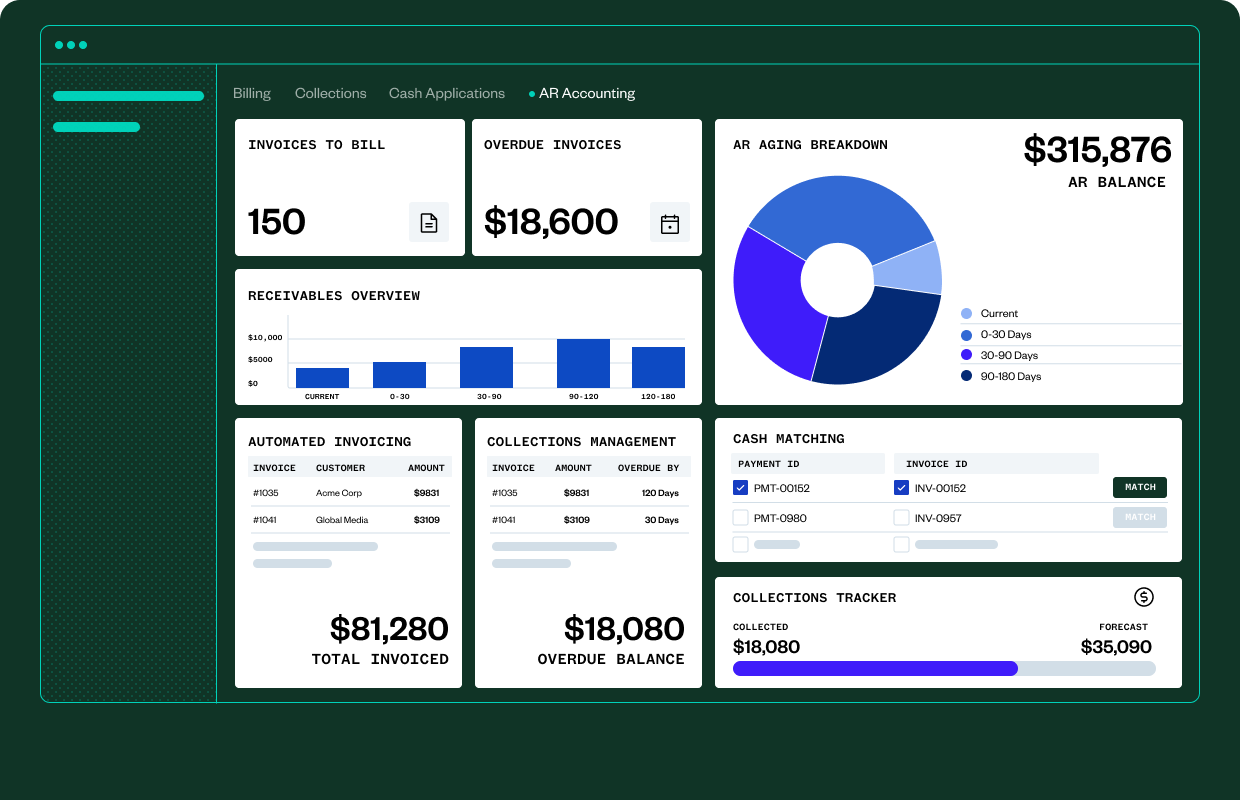
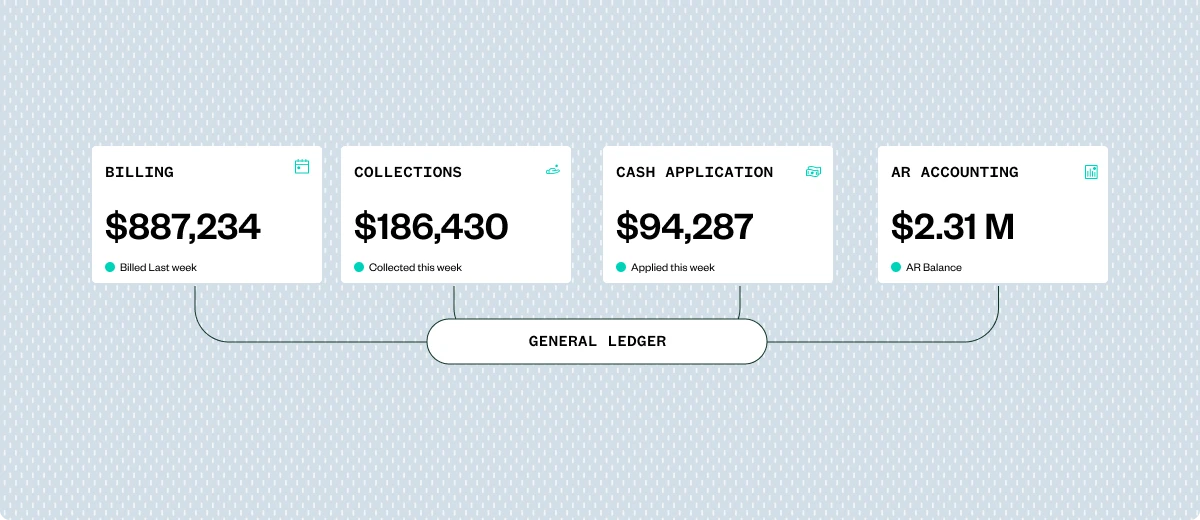
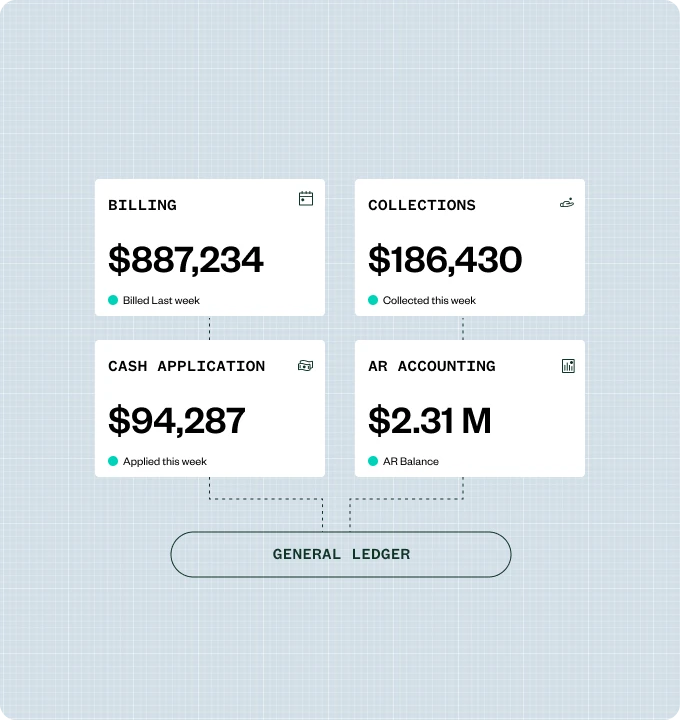
Zuora Accounts Receivable Automation is a connected AR platform that unifies billing, collections, cash application, and AR accounting into a single subledger. It delivers real-time cash visibility, audit-ready control, and a seamless handoff to revenue accounting, replacing patchwork systems and manual processes.
How does Zuora AR Automation work?
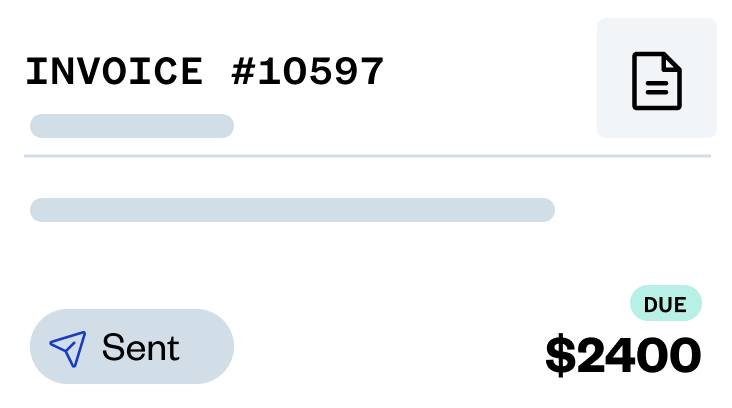
Zuora AR Automation connects every step of the receivables process—from invoice creation to cash application and close—on a single platform. This ensures automated accuracy, real-time visibility, and continuous compliance for finance teams, eliminating the need to jump between disconnected systems or spreadsheets.
What are the main components of Zuora's AR Automation platform?
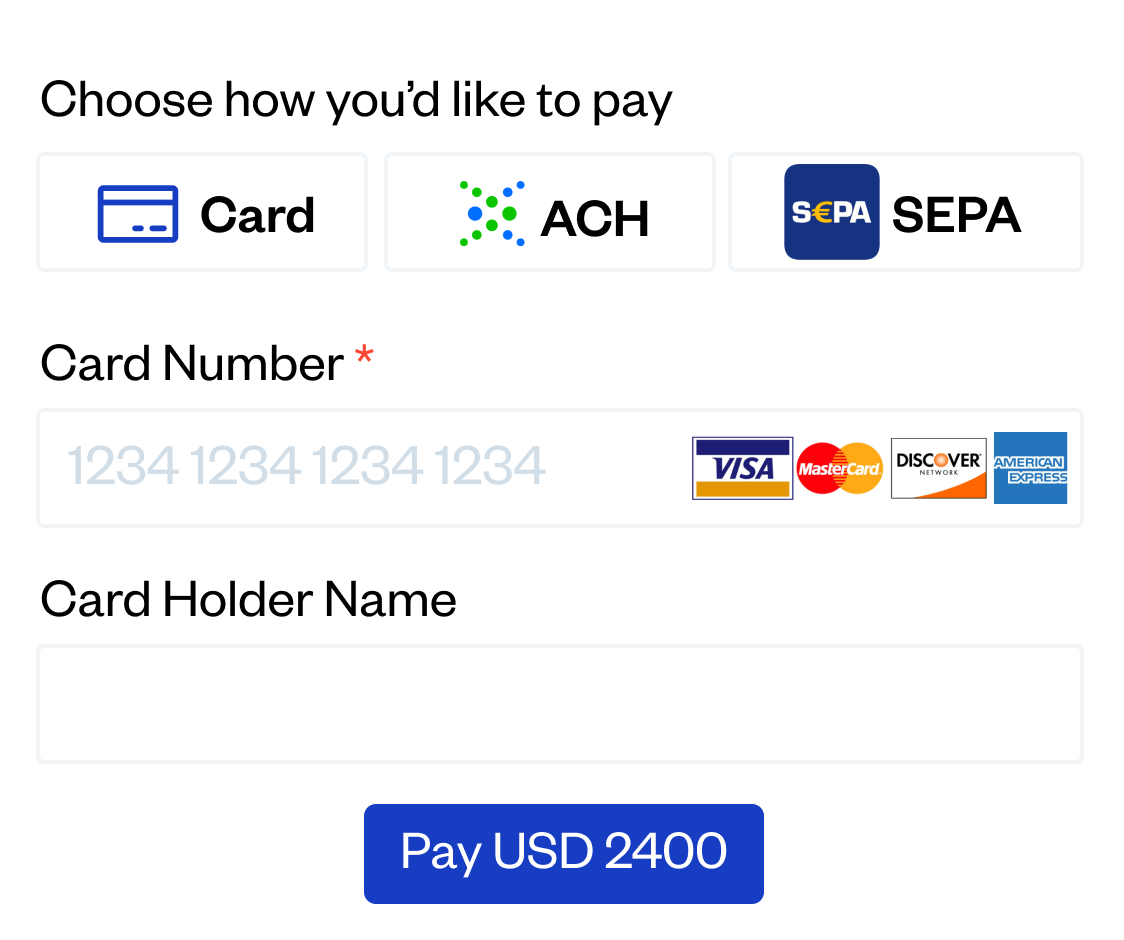
The main components include automated billing and invoicing, intelligent collections, flexible payments, AI-guided cash application, and real-time AR accounting. Each component is integrated to provide a seamless, end-to-end AR process.
What is a live AR subledger and why is it important?
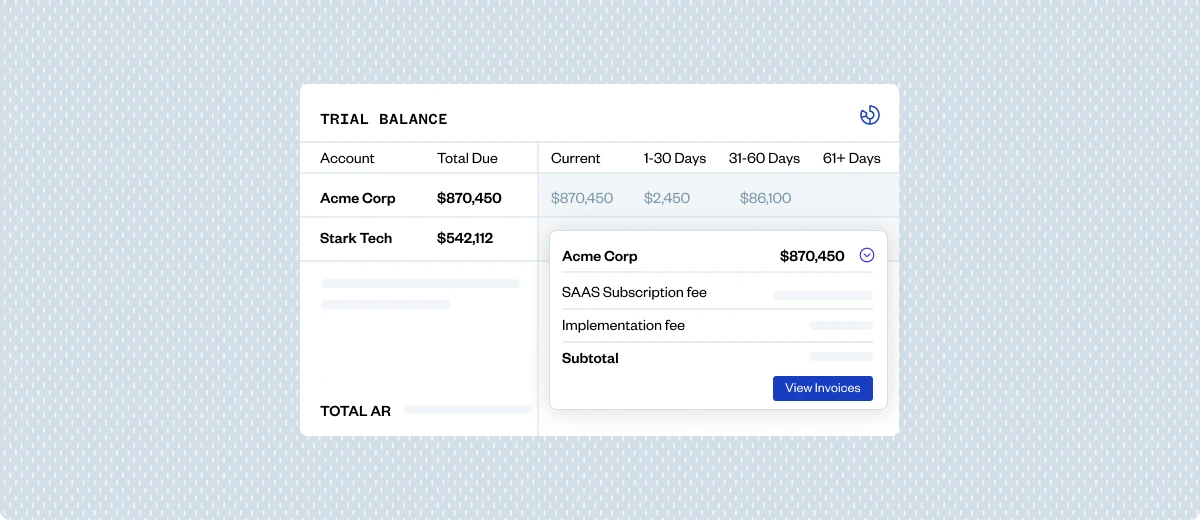
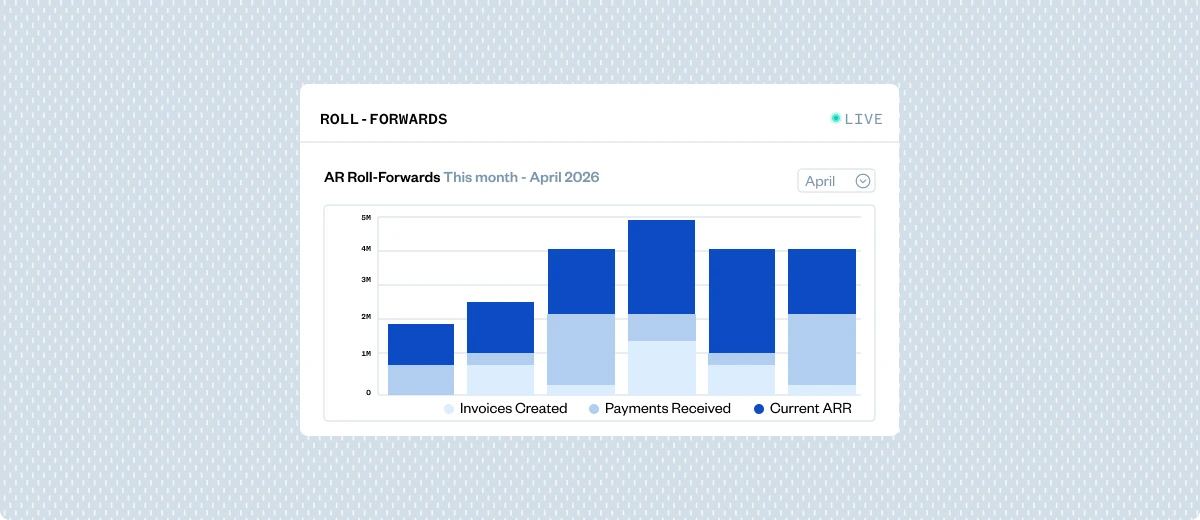
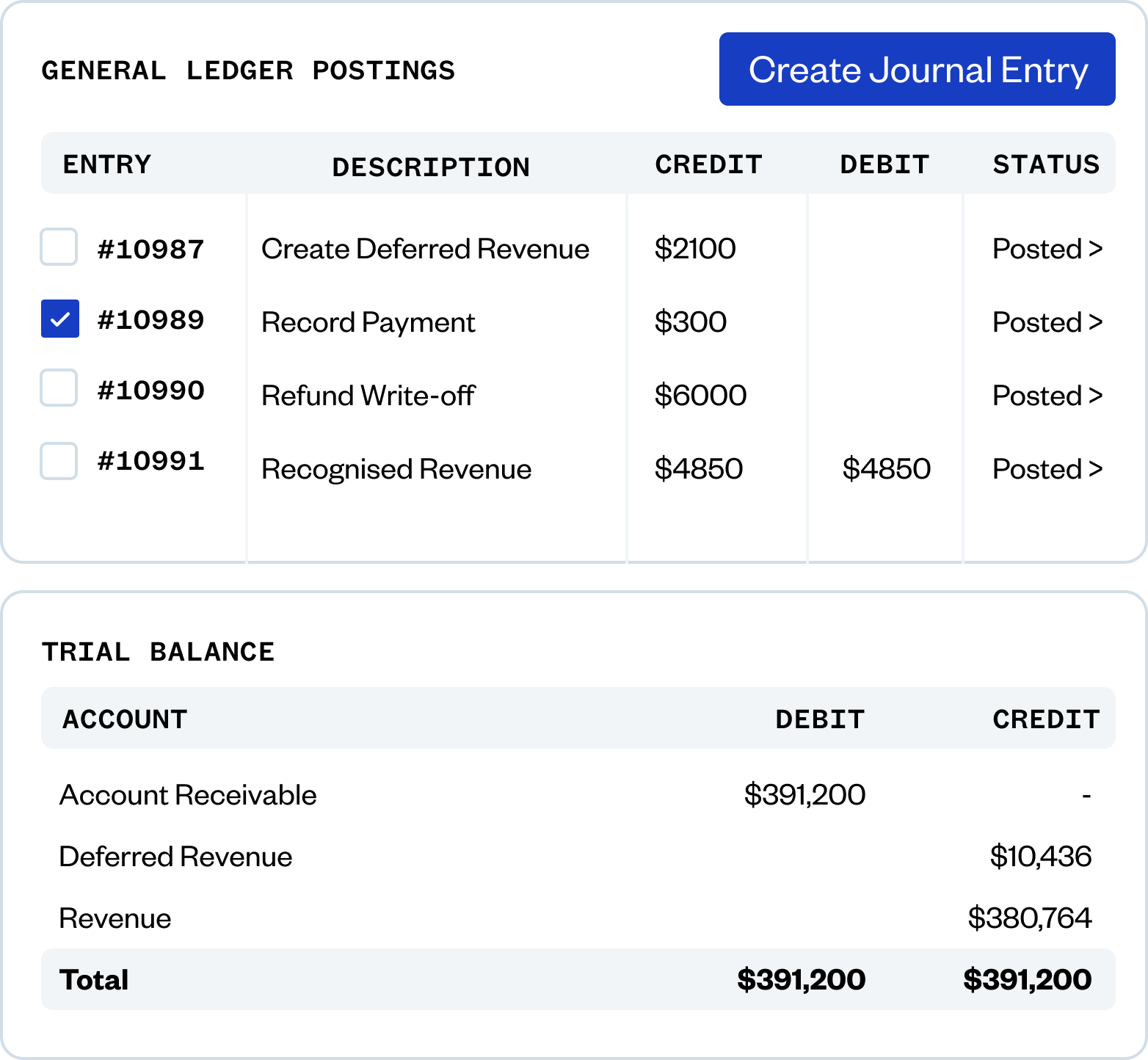
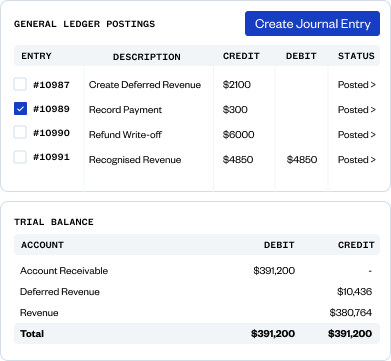
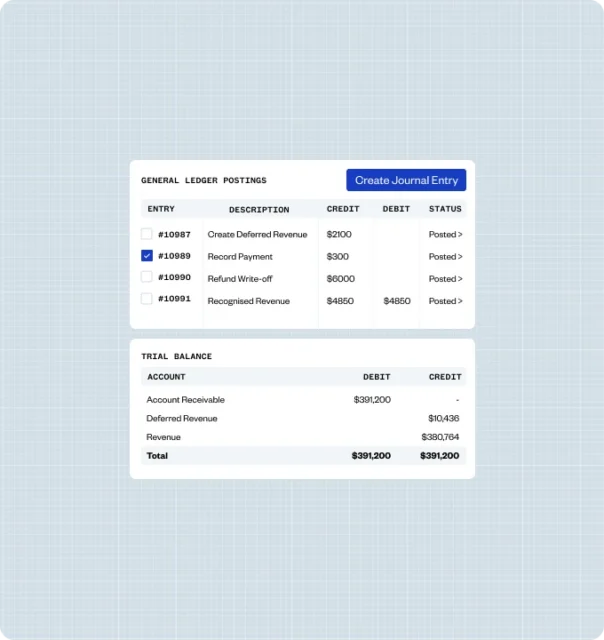
A live AR subledger provides real-time trial balances, roll-forwards, and policy-driven accounting with auditable journals that post directly to your general ledger. This enables continuous cash visibility and reduces the need for manual reconciliations and late adjustments.
How does Zuora AR Automation support the entire invoice-to-cash process?
Zuora AR Automation covers the full journey from accurate, usage-aware invoicing, through intelligent collections and flexible payments, to automated cash application and real-time AR accounting. This unified approach ensures data consistency and eliminates reconciliation gaps.
What is the difference between Zuora AR Automation and standalone AR tools?
Unlike standalone AR tools that require heavy integration and manual tie-outs, Zuora AR Automation provides a single system for billing, collections, cash application, and AR accounting. This eliminates batch delays, data drift, and the need for spreadsheets or brittle connectors, especially for multi-entity and FX reconciliations.
How does Zuora AR Automation handle multi-entity and multi-currency operations?
Zuora AR Automation enforces accounting policy at the source with traceable entries across entities and currencies. It provides finance-grade controls for multi-entity and FX, ensuring accurate and compliant operations globally.
What types of businesses benefit most from Zuora AR Automation?
Zuora AR Automation is ideal for SaaS, subscription, and hybrid business models, as well as companies managing large volumes of invoices and payments. It is used by Controllers, CFOs, and accounting leaders seeking to reduce manual workload, improve accuracy, and close faster.
How does Zuora AR Automation support compliance and audit readiness?
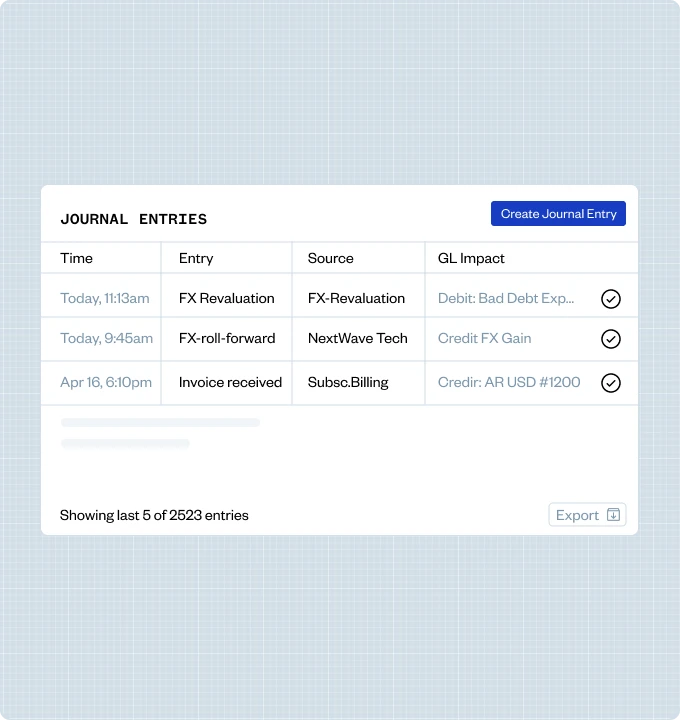
Zuora AR Automation enforces consistent accounting rules, segregation of duties, and provides traceable, audit-ready journal entries. It helps finance teams stay compliant with internal controls and external standards like ASC 606 and IFRS 15.
What are the key features of Zuora AR Automation?
Key features include automated invoicing and collections workflows, AI-powered payment matching and cash application, real-time AR dashboards, audit-ready journal entries, and seamless integration with Zuora Billing, Payments, and Revenue for a unified order-to-cash process.
Pain Points & Problems Solved
What common AR challenges does Zuora AR Automation address?
Zuora AR Automation addresses slow, manual close cycles, painful reconciliations, compliance risk, revenue leakage, and data quality issues. It automates critical AR processes, reduces spreadsheet dependency, and provides a single source of truth for reporting and forecasting.
How does Zuora AR Automation help reduce manual reconciliations?
By operating on a unified receivables data model, Zuora AR Automation removes reconciliation gaps and batch delays. This means finance teams no longer need to manually tie out data between billing, collections, cash application, and AR accounting.
How does Zuora AR Automation improve cash visibility?
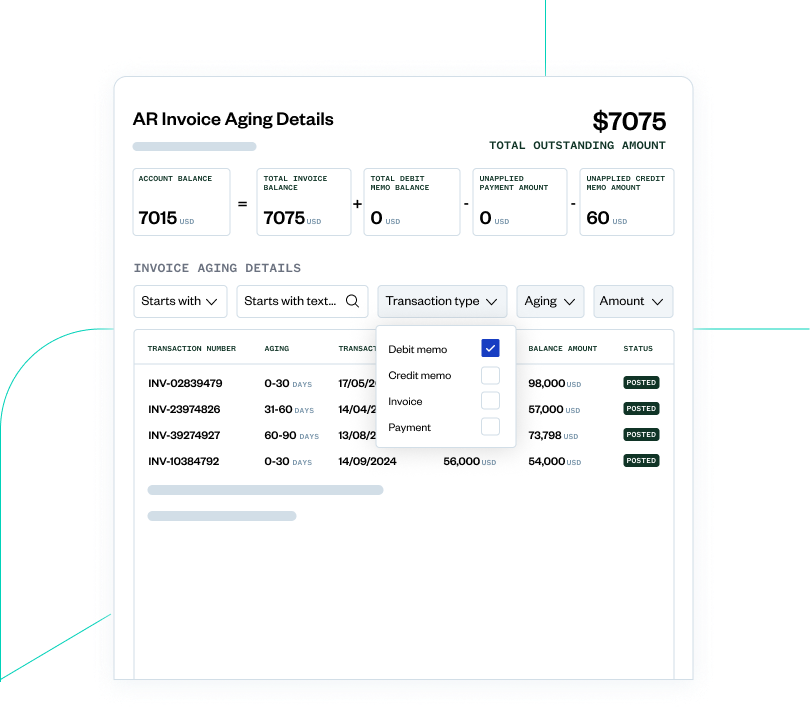
Zuora AR Automation provides live AR trial balances, roll-forwards, and real-time reporting on cash movement and aging. This enables finance leaders to track cash continuously, not just at month-end, and make informed decisions faster.
How does Zuora AR Automation help with revenue leakage and collections?
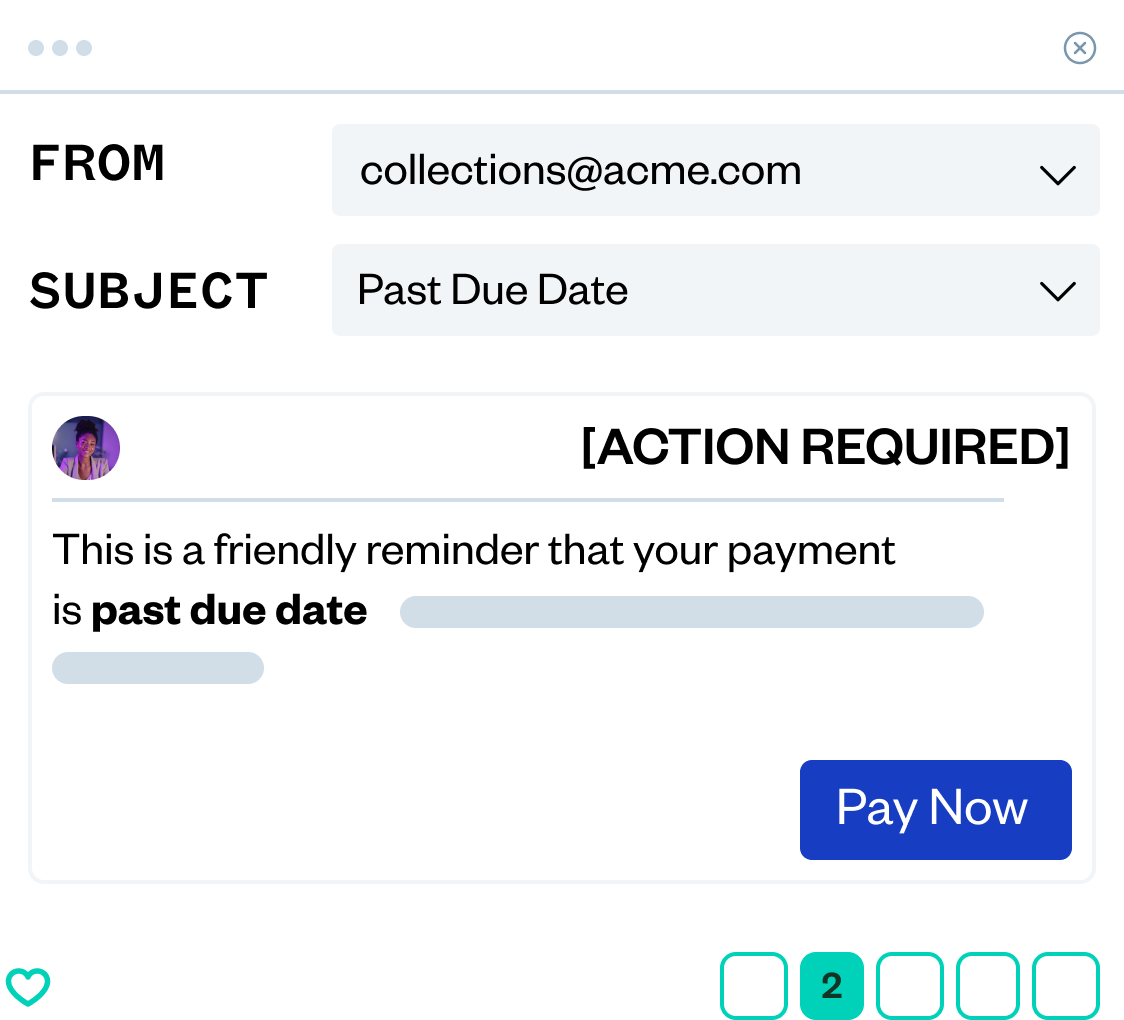
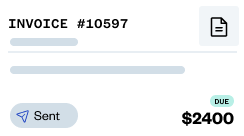
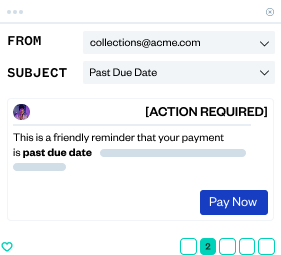
With intelligent dunning, prioritized outreach, and promise-to-pay tracking tied to invoice state, Zuora AR Automation improves collections efficiency and reduces revenue leakage caused by billing errors or delayed follow-ups.
How does Zuora AR Automation address compliance and audit challenges?
Zuora AR Automation provides policy-driven accounting, traceable entries, and auditable journals that feed directly into your GL. This ensures compliance with standards like ASC 606 and IFRS 15 and simplifies audit processes.
How does Zuora AR Automation help reduce spreadsheet dependency?
By automating invoicing, collections, cash application, and AR accounting on a single platform, Zuora AR Automation eliminates the need for manual spreadsheet controls and reduces the risk of errors and inefficiencies.
How does Zuora AR Automation support faster financial close cycles?
With real-time data integration and automated workflows, Zuora AR Automation shortens close cycles by reducing manual effort and providing continuous visibility into AR balances and journal status.
How does Zuora AR Automation help with forecasting and scenario planning?
Zuora AR Automation provides accurate, real-time data and unified reporting, enabling finance teams to enhance forecasting accuracy and make informed strategic decisions.
How does Zuora AR Automation support IPO or PE readiness?
Zuora AR Automation prepares businesses for IPOs or private equity investments by providing robust systems, audit-ready controls, and compliance with global standards, ensuring a strong control environment.
Features & Capabilities
Does Zuora AR Automation use AI for cash application?
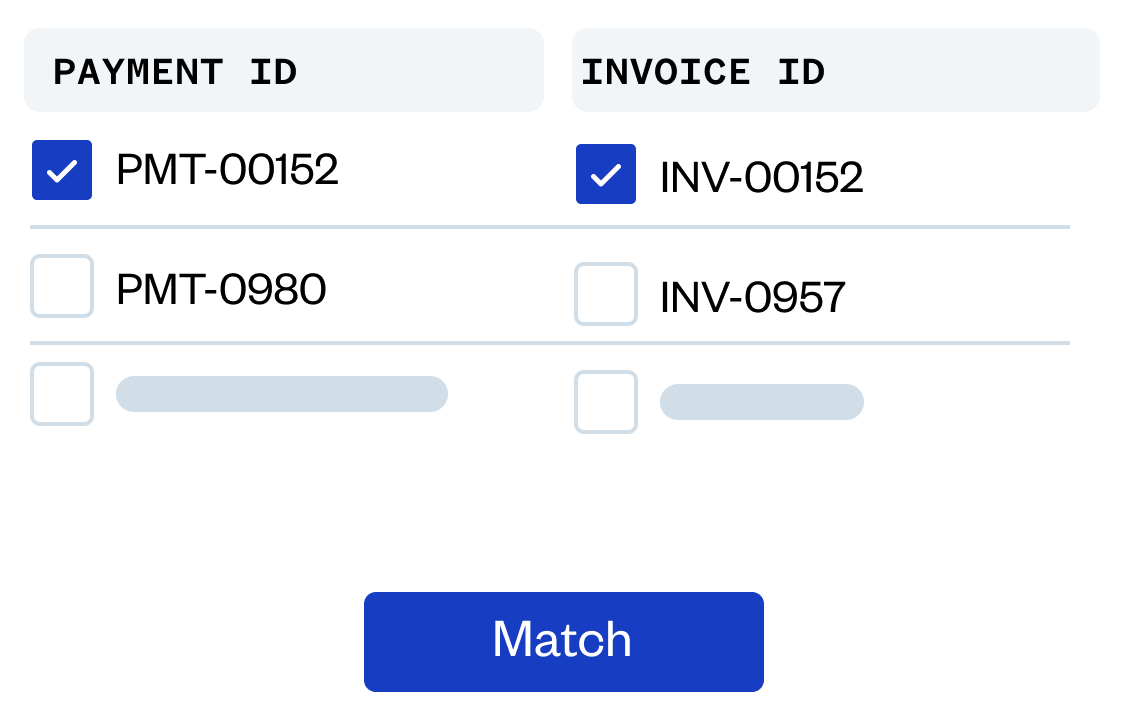
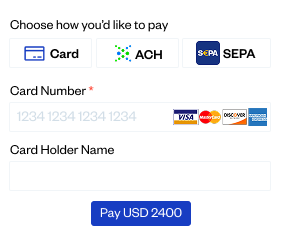
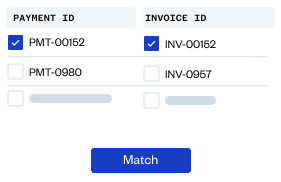
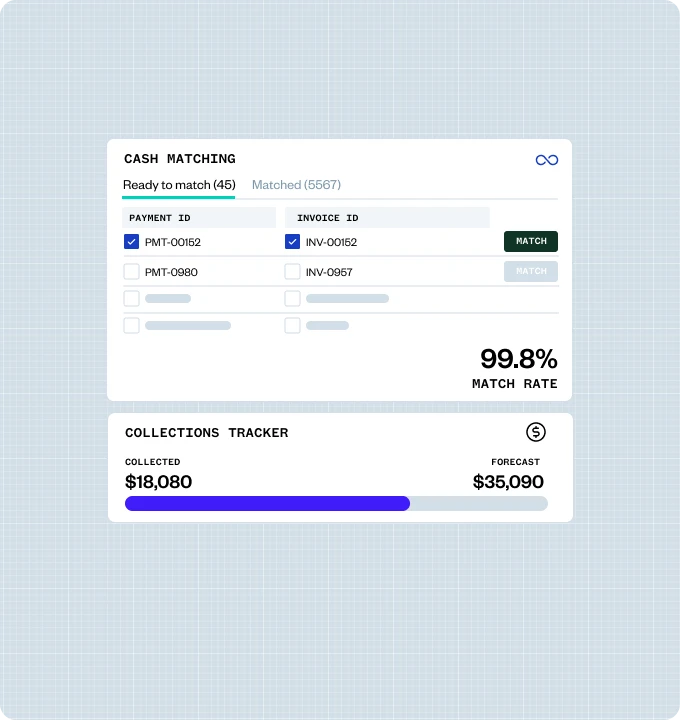
Yes, Zuora AR Automation uses AI-guided cash application to automate matching across cards, ACH, and bank files. AI suggestions help resolve remittance edge cases, speed settlement of open items, and improve match rates across global payment rails and gateways.
How does Zuora AR Automation handle disputes and promise-to-pay tracking?
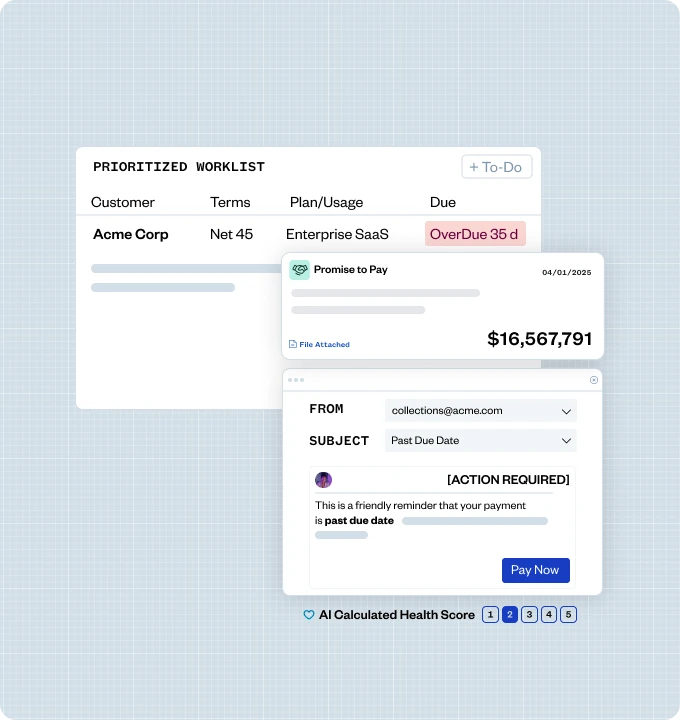
Zuora AR Automation includes intelligent dunning, prioritized outreach, dispute management, and promise-to-pay tracking, all tied to the invoice state. This ensures collections efforts are targeted and effective.
Can Zuora AR Automation be activated in-place for existing Billing customers?
Yes, Billing customers can turn on Collections and Cash Application as modular capabilities without re-platforming. This allows for immediate benefits from shared invoice and payment context on the path to a single AR subledger.
How does Zuora AR Automation integrate with other Zuora products?
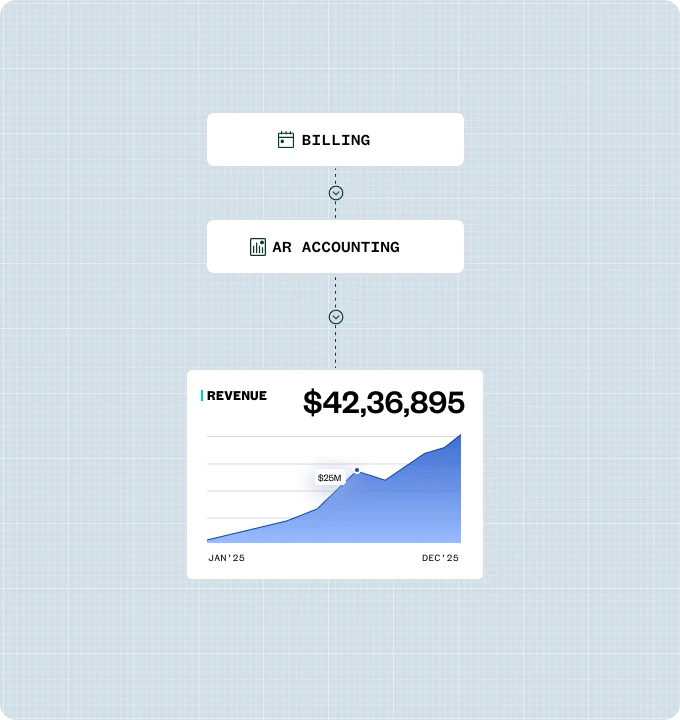
Zuora AR Automation integrates seamlessly with Zuora Billing, Payments, and Revenue. Detailed invoice and payment data flows from Billing through AR into Revenue, eliminating manual tie-outs and enabling automated revenue recognition.
What integrations are available for Zuora AR Automation?
Zuora offers over 60 pre-built connectors (including Salesforce, HubSpot, NetSuite, Snowflake), REST and SOAP APIs, warehouse connectors (Databricks, BigQuery, RedShift), and supports over 40 payment gateways (Stripe, GoCardless, Worldpay). The Connect Marketplace features nearly 100 apps for extended integration. Learn more.
Does Zuora AR Automation support real-time reporting and analytics?
Yes, Zuora AR Automation provides real-time AR dashboards, live trial balances, roll-forwards, and collection insights, enabling instant visibility into cash positions, outstanding balances, and journal status.
What technical documentation is available for Zuora AR Automation?
Zuora provides comprehensive technical documentation, including platform guides, API references, SDK documentation, and integration guides. Resources are available at the Zuora Docs Portal and Developer Center.
Is Zuora AR Automation secure and compliant?
Yes, Zuora AR Automation is built on a platform with enterprise-grade security and compliance. Zuora holds certifications such as PCI DSS Level 1, SOC 1 Type II, SOC 2 Type II, ISO 27001, HIPAA, and SOC 3, ensuring secure handling of financial and payment data. Learn more.
Implementation, Support & Customer Success
How long does it take to implement Zuora AR Automation?
Implementation timelines vary: focused scopes can be completed in as little as 30 days, typical implementations range from 30 to 90 days, and multi-product or multi-entity programs may take several months. Pre-built connectors can enable integrations in as little as one day.
How easy is it to get started with Zuora AR Automation?
Getting started is straightforward. Zuora offers Quick Start Tutorials, over 500 courses and certifications via Zuora University, and 24x5 live global support. Developer resources and a community portal are also available for onboarding and troubleshooting.
What support options are available for Zuora AR Automation customers?
Zuora provides 24x5 live global support, email support, and online ticketing. Premium support options include Technical Account Managers and Enterprise Solution Architects for personalized assistance. Visit the Zuora Support Portal for details.
What feedback have customers given about Zuora AR Automation?
Customers like Asana and Hudl have praised Zuora for its flexibility, ease of use, and ability to reduce manual effort. For example, Hudl's Senior Manager of Revenue Accounting reported significant time savings and improved work-life balance after implementation. Read the case study.
Can you share specific success stories of companies using Zuora AR Automation?
Yes. Asana credits Zuora as a critical enabler for global expansion and innovative monetization models. Hudl saved over 100 hours per month by automating AR processes. The Seattle Times improved new subscription conversions by 30% and retention by 25% after adopting Zuora. See more case studies.
What business impact can customers expect from Zuora AR Automation?
Customers can expect recurring revenue growth, operational efficiency, improved customer retention, faster time-to-market, and enhanced financial operations. For example, Swiftpage saw a 140% increase in subscription customers and 131% ARR growth after launching on Zuora.
What industries use Zuora AR Automation?
Zuora AR Automation is used across industries such as SaaS, communications, consumer goods, retail, finance, healthcare, high tech, manufacturing, media, entertainment, and more. See the full list.
Who are some notable customers of Zuora AR Automation?
Notable customers include Zoom, Asana, The Financial Times, Hudl, GoPro, The Seattle Times, and Schneider Electric. These companies use Zuora to scale operations, improve AR processes, and drive business growth. Explore more customers.
Security, Compliance & Integrations
What security certifications does Zuora hold?
Zuora holds PCI DSS Level 1, SOC 1 Type II, SOC 2 Type II, ISO 27001, HIPAA, and SOC 3 certifications, ensuring the highest standards of data protection and regulatory adherence. Learn more.
Does Zuora AR Automation support integration with ERP and CRM systems?
Yes, Zuora AR Automation supports integration with leading ERP and CRM systems through pre-built connectors, APIs, and the Integration Hub. Supported platforms include Salesforce, NetSuite, HubSpot, and more.
What APIs are available for Zuora AR Automation?
Zuora provides REST and SOAP APIs for seamless integration with external systems. Developers can access API references, guides, and SDKs at the Zuora Developer Center.
How does Zuora AR Automation support global compliance?
Zuora AR Automation includes built-in compliance features such as data encryption, role-based access control, and audit trails. It supports multi-currency and tax compliance, helping businesses operate globally and adhere to regulations like GDPR, PCI DSS, and SOX.