Glossary Hub / How to streamline billing compliance with automation
How to streamline billing compliance with automation

While timely and efficient payments are essential, compliance represents an equally critical business imperative. A single misstep in the billing process can expose your organization to financial penalties, reputational damage, and legal liability. Non-compliant practices such as failing to apply the correct tax rate, mishandling customer data, or misreporting revenue come with steep costs.
Fortunately, the right processes and tools can help billing teams stay on top of compliance requirements. This guide will explain what billing compliance is and why it’s so important, the different types of billing compliance you should plan for, and how billing automation is key to compliance at scale.
What is billing compliance?
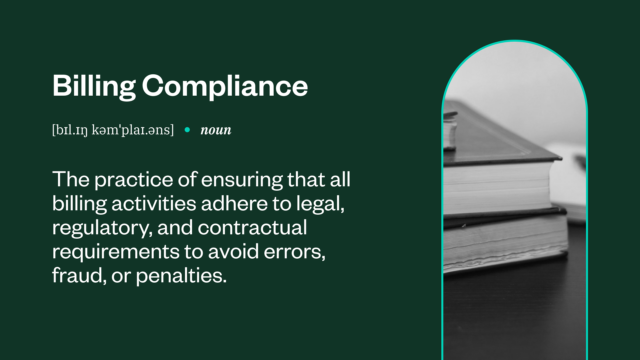
Billing compliance is the process of following established regulations or standards that relate to billing. It includes not only abiding by external laws but also adhering to internal operational guidelines that keep your organization safe and efficient.
While billing compliance often revolves around generating accurate invoices, it spans a broad range of responsibilities, including:
– Adhering to tax regulations across jurisdictions
– Maintaining data security standards
– Ensuring accurate revenue recognition in line with accounting standards like ASC 606 or IFRS 15
– Following contractual terms
– Preventing fraud and misbilling
Ultimately, billing compliance helps ensure that a company’s revenue processes are both lawful and transparent. It builds customer trust, fosters stronger relationships with regulatory bodies, and helps avoid costly penalties or audits.
While compliance may sound like a concern only for enterprise billing, it applies to all organizations. Any business that handles billing must comply with regulations, whether it’s subscription-based, charges one-time payments, or manages complex global transactions. Billing compliance is required for all businesses — from emerging startups to multinational corporations — and efficiently managing this process can lead to tremendous gains in customer trust and your reputation, making it an asset in an era of decreasing consumer confidence.
The importance of billing compliance
Compliance can often seem like a burden, but it’s critical for billing. Billing compliance is essential for several reasons, including:
Legal ramifications: Non-compliance doesn’t just mean additional paperwork — it comes with expensive penalties and potentially serious legal consequences. You risk fines, penalties, lawsuits, and reputational damage when you fall out of compliance, and recovering from these issues requires a lot of time, effort, and cost.
Financial and operational impact: Billing errors, missed taxes, or incorrect revenue recognition can create a ripple effect throughout your organization. At scale, these errors can lead to revenue leakage, delayed cash flow, and increased administrative workloads as your team struggles to reconcile billing mistakes.
Customer trust: Few things damage customer relationships faster than inaccurate or confusing invoices. Transparent, compliant billing practices tell customers your business is reliable and professional.
Billing compliance may feel like a simple task to complete, but ignoring it can cause actual harm to your organization. Instead of treating this process as a box to tick, embrace compliance to protect your brand, improve the customer experience, and provide a competitive edge in your market.
Different types of billing compliance
Billing compliance is multi-faceted, covering everything from tax laws to data protection and financial reporting. Your processes should account for these five types of billing compliance to prevent audits, fines, and legal action.
Tax compliance
Tax compliance is non-negotiable, regardless of where you operate. This area of billing compliance requires charging the correct sales tax, VAT, or GST based on where your business operates. Your team must also track tax exemptions and remit taxes to the appropriate authorities. Failing to apply or collect taxes correctly can result in back taxes, penalties, and audits, not to mention a damaged reputation with regulators and customers.
Data privacy compliance
Billing systems collect an immense amount of data. Regulators and customers are becoming more aware of the dangers of storing this data in online billing systems, requiring businesses to comply with complex data protection laws. Depending on your business model and industry, you must follow GDPR, CCPA, and HIPAA regulations, which govern how you store and share customer data. Whether you fail to store this data in a non-compliant way or experience an actual data breach, failing to follow the law can lead to hefty fines and unflattering news headlines, not to mention lost business.
Payment security compliance
Payment gateways must follow strict billing compliance regulations. For example, PCI DSS guidelines dictate how businesses can handle cardholder data. Staying PCI compliant helps reduce the risk of fraud, chargebacks, and legal liabilities from payment data breaches. Your system must encrypt cardholder data, implement access restrictions, and monitor the system for potential security issues.
Revenue recognition compliance
Accounting standards such as ASC 606 (US GAAP) and IFRS 15 (international) establish when and how revenue should be recognized. However, following these guidelines can be difficult for subscription- or project-based billing. Fortunately, the right accounting automation solution can help you avoid discrepancies with even the most customized or complex billing setup.
Industry-specific compliance
Every industry has unique requirements. For example, healthcare organizations and their business associates must follow HIPAA rules, while financial institutions must follow FINRA or SEC regulations. Education, telecommunications, utilities, and many other industries have their own billing rules and consumer protection laws. When in doubt, work with your legal team to understand and implement billing compliance tailored to your sector.
Best practices for maintaining billing compliance
Compliance requires a multi-faceted approach. It isn’t a one-time task but an ongoing effort to ensure compliant billing in your organization. Follow these best practices to help your business stay ahead of billing compliance.
Regular internal audits
External audits are a part of staying compliant, but an external audit shouldn’t be the only audit your organization conducts. Performing routine internal audits identifies discrepancies early. This approach ensures your organization meets all requirements and allows your team to make adjustments long before there are tangible billing compliance issues. During the audit, verify that invoices align with contract terms, ensure discounts and taxes are applied correctly, and look for anomalies or troubling trends.
Cross-functional collaboration
Billing compliance is primarily a concern for your finance team, but this process doesn’t happen in a vacuum. It requires close coordination between multiple teams. For example, finance should verify accurate invoicing, while legal interprets regulatory requirements. IT should keep your systems secure and create an audit trail while sales communicates with customers and ensures accurate billing inputs. Instead of treating billing compliance as a task that only finance manages, cross-functional workflows keep everyone aligned and reduce the risk of overlooking critical issues.
Staying updated on regulatory changes
Regulations change all the time. In fact, many rules concerning data privacy and billing are becoming stricter, requiring businesses to keep an eye on impending changes. Don’t let regulatory changes catch you off guard: proactively adjust your processes to maintain billing compliance.
You can keep up by subscribing to regulatory updates or partnering with a legal advisor specializing in your industry. Whether you have an internal team or a third-party provider, your legal experts should not only tell you about these changes but also advise the team on how to implement them.
Documentation and reporting
Regulators and auditors need to see detailed logs and audit trails for billing compliance. Ensure your billing solution maintains organized records and invoices that you can easily access for compliance checks. Consult your industry regulations to see how long you need to retain this information for future audits.
How billing automation tools ensure compliance
Finance teams often struggle to keep up with internal audits, cross-functional projects, regulatory updates, and documentation. However, they don’t have to manage this manually: billing automation tools help businesses transform compliance from a burden into a seamless, integrated process that operates on autopilot.
Centralized billing and invoicing
Stop juggling multiple systems and asking your team to flip between disparate platforms. Billing automation tools consolidate all billing data in a single platform, reducing manual handling and errors. With everything in one place, your business can maintain consistency and accuracy across all customer accounts and transactions.
Automated tax calculation
Tax calculations can be complex, especially for businesses selling to customers in multiple locations. Automation tools help by:
– Applying the latest tax rates based on customer location
– Adjusting for tax exemptions and special rules
– Supporting compliance with sales tax, VAT, GST, and more
This setup minimizes human error and ensures your team always invoices with the latest compliance rules.
Built-in security and data privacy features
While all billing software differs, trusted solutions like Zuora comply with regulations out of the box. Ensure you choose a solution that supports key functionality, such as:
– End-to-end encryption
– Secure storage
– Minimal data exposure
– Role-based access controls to limit exposure
– Compliance with PCI DSS, GDPR, HIPAA, and other data protection laws
Audit trails and detailed reporting
Automated billing solutions generate an auditable trail and detailed reports with little human intervention. These tools simplify compliance reviews through comprehensive logging and reporting. Quickly track changes to invoices and accounts and generate audit-ready reports in minutes, allowing your team to focus less on information-gathering and more on crucial finance tasks.
Scalable solutions
Compliance requirements change as businesses scale. Fortunately, billing automation platforms grow with your organization. They give you the freedom to enter new markets without overhauling your system, update workflows when regulations change, and support different currencies or languages. This flexibility ensures your billing stays compliant, no matter how fast you grow.
Zuora Billing for compliance
Zuora Billing is a comprehensive billing automation solution that considers compliance at every stage of the billing process. Our solution not only streamlines billing processes but also ensures compliance with financial standards.
Automated invoicing and tax handling
Rely on Zuora’s built-in tax engine to automate the invoicing process, reduce manual errors, and improve efficiency. It offers integrations with leading tax software, ensuring accurate tax calculations and application across different jurisdictions.
Subscription lifecycle management
SaaS and subscription-based business models have unique needs that can make billing compliance challenging. Zuora provides a centralized platform for managing subscriptions, renewals, and cancellations. By automating these processes, Zuora minimizes manual errors and ensures that billing operations align with contractual agreements and compliance requirements.
Revenue recognition tools
Zuora Billing supports compliance with revenue recognition standards such as ASC 606 and IFRS 15. It offers tools that accurately recognize revenue based on these guidelines, ensuring precise financial reporting that adheres to regulatory standards.
Robust audit trails and reporting
Never lose an important invoice or file again. Zuora automatically captures and stores transaction data for quick, stress-free audits. Easily retrieve and review historical billing information with just a few clicks to demonstrate compliance with both internal policies and external regulations.
Scalable, global support
When expanding internationally, you’ll need additional support in multiple languages, currencies, and more regulatory frameworks. Zuora Billing supports global operations with multiple configurations for other languages, currencies, and tax jurisdictions. This scalability simplifies compliance with international billing regulations and facilitates seamless global business expansion.
Turn billing compliance into a business advantage
Invoice accuracy is an essential part of billing compliance, but this process is about much more than invoicing. Billing compliance is vital for the legal, financial, and operational health of businesses of all sizes. To navigate these challenges, businesses must thoroughly review their billing processes and adopt tools to help automate and centralize operations.
Automation solutions reduce human error and ensure that your billing operations stay aligned with rapidly evolving tax laws, data privacy standards, and revenue recognition guidelines.
Streamline compliance with Zuora Billing’s robust automated invoicing, integrated tax handling, and centralized subscription management. With scalable global support, Zuora ensures your business stays compliant in even the most complex regulatory environment.
Don’t wait for compliance issues to impact your business. Take the next step: review your current billing processes, assess compliance risks, and explore automation solutions like Zuora Billing to safeguard your operations and build lasting trust with customers and regulators.