
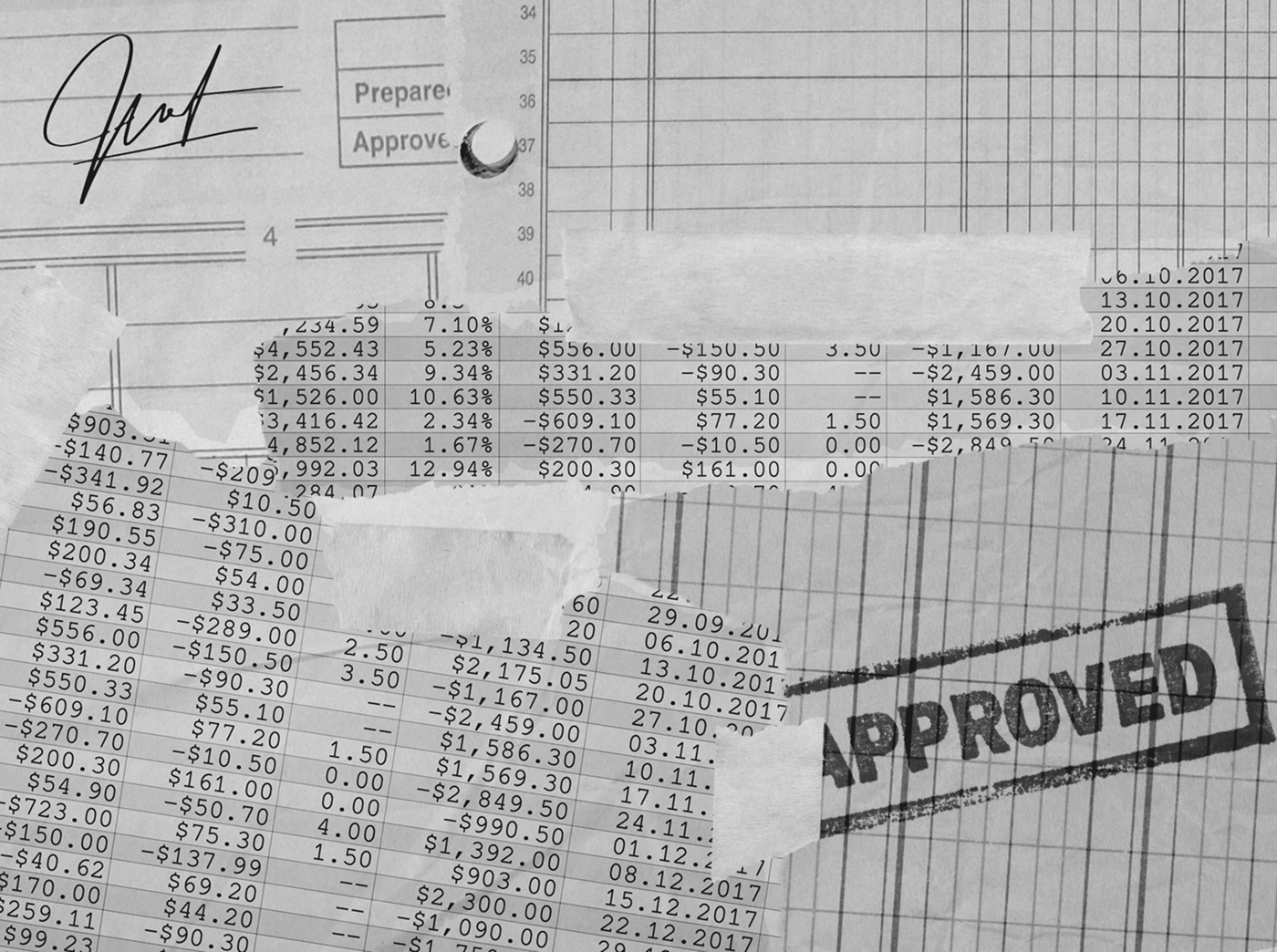
Quick – What comes to mind when you hear the phrase general ledger? Is it Ebenezer Scrooge, so consumed by his columns that he forgets about life outside the numbers? Is it Tim Robbins in The Shawshank Redemption, laundering the prison warden’s secret fortune? Is it Ben Affleck in The Accountant, following the money? Or maybe it’s just your standard-issue ink-stained clerk (pallid skin, green visor) endlessly copying figures into a huge black book.
Of course, the ledger is more than a book. It’s the ultimate truth, the record-to-end-all-records. The word ledger comes from the Old English lecgan, “to lay or place.” As business grew, specialized ledgers emerged (cash, sales, inventory), and to distinguish the master book that pulled them all together, they created the general ledger.
The general ledger is still the heart of finance. It closes the books, it feeds compliance, it satisfies the auditors. But the modern enterprise generates torrents of transactions that no single book can accurately record.
Enter the subledger.
Faster, more granular, purpose-built for the messy realities of digital business, the subledger sits between operational systems and the general ledger. It translates millions of microtransactions into auditable report summaries. It gives CFOs both accuracy and adaptability.
Your subledger isn’t subordinate, it’s strategic.
If the general ledger provides the context, then the subledger provides the specifics, showing you specifically what you sold, who you sold it to you, and when you sold it. Enterprise finance platforms aren’t monoliths, they are ecosystems, where each component brings unique strengths.
The general ledger answers the question: “What is the balance?” The sub-ledger answers the question, “Why is that the balance?” The general ledger gives you the summary, while the sub-ledger gives you the details. Without both, you can’t get a complete picture of your finances.
As Workday notes in a blog post called “It’s All in the Details: How Data-Rich Subledgers Fuel Financial Agility,” “Accounting subledgers at financial services companies are data-rich resources hiding in plain sight … The ability to leverage this data-rich resource enables better reporting, better analysis, an audit trail, and more informed decision making across finance and risk.”
The old “suite versus suite” mentality used to pit big companies against each other in Lord of the Rings-style “One system to rule them all!” battle. That tired old model is giving way to systems that are much more complementary and symbiotic.
On one side, you have an efficient, modern ledger that continues to serve as the official system of record. On the other hand, you have an equally compliant (that’s an important point – not all finance systems can do this) sub-ledger designed for agility in revenue operations: subscriptions, usage-based billing, hybrid monetization, and all kinds of AI-induced complexity.
Imagine a big, global company rolling out a new consumption-based model. The CFO has to ensure revenue recognition complies across dozens of jurisdictions. Meanwhile, the product team needs to experiment with new bundles and usage tiers. A general ledger by itself isn’t designed for this scale of transaction details. You can do it, of course, but it’ll be messy and confusing.
Business models are fragmenting and accelerating. The Subscription Economy showed us the value of recurring revenue. Now, we’re moving into an era of hybrids: subscriptions, microtransactions, marketplaces, ad-supported tiers—all coexisting within a single enterprise.
Stop forcing your general ledger to do what it was never designed to do. Stop patching gaps with spreadsheets. And stop believing that legacy ledgers can keep up with the dizzying speed and complexity of modern business.
Your general ledger is the What, and your subledger is the Why. You need both to succeed.

