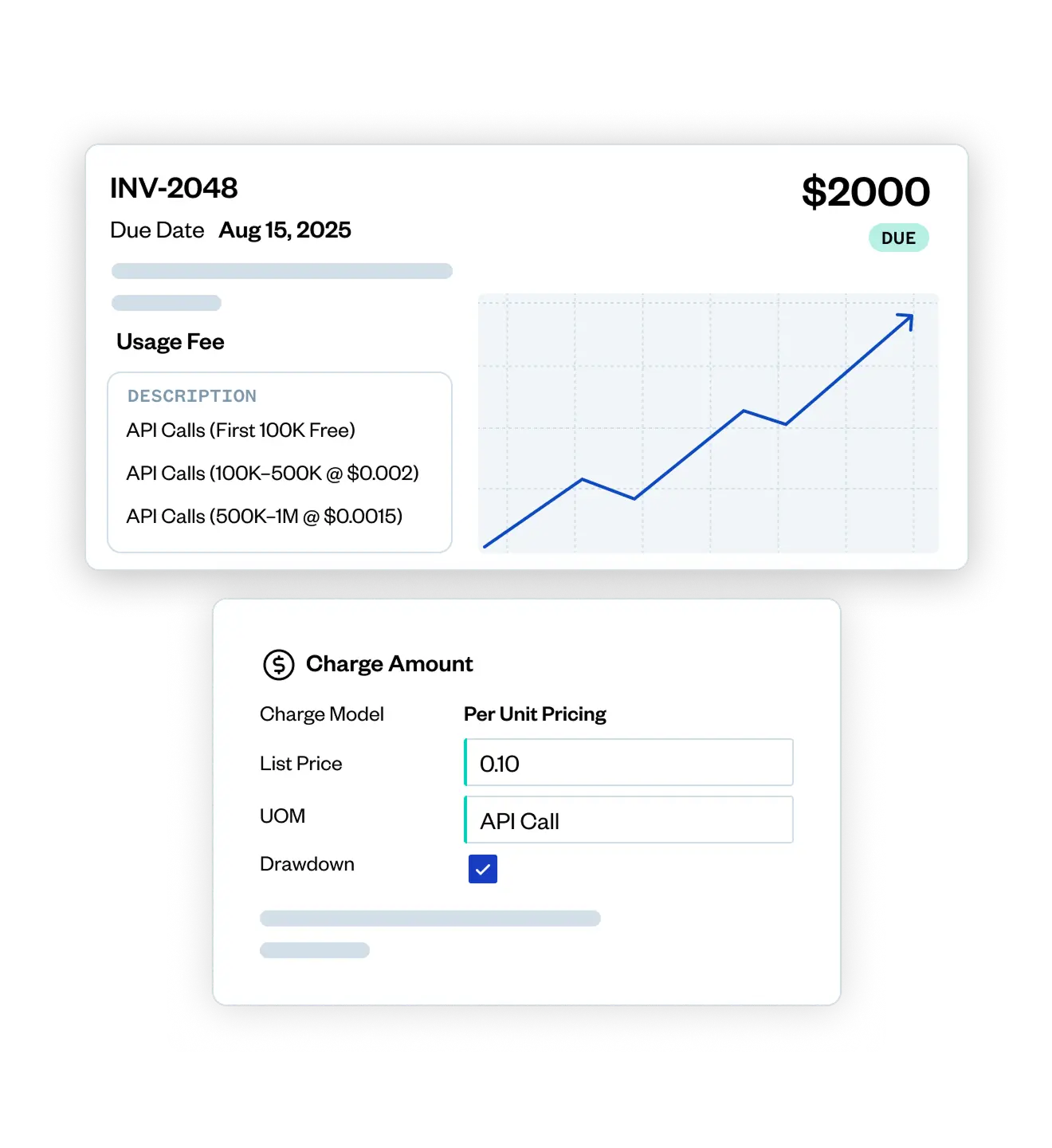
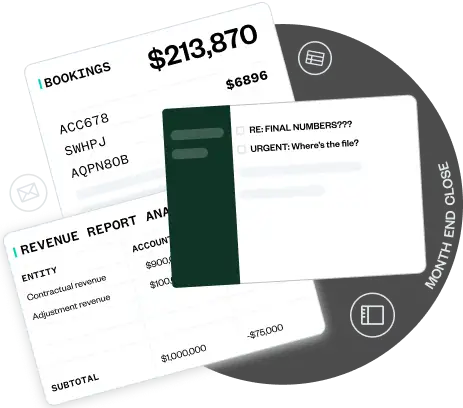
Conduct business globally with an e-invoicing platform that helps automate invoice compliance, tax calculations, country-specific templates, and reporting across jurisdictions. Zuora Billing connects e-invoicing and tax workflows directly to recurring billing so finance teams can keep invoices moving as mandates change.
Solve e-invoicing mandate complexity before it disrupts billing
As e-invoicing mandates expand, finance and tax teams need invoice data, tax treatment, templates, delivery workflows, and status tracking to stay aligned across every market. Zuora helps connect those workflows inside billing so teams can adapt faster without rebuilding country-by-country processes.
Mandates keep changing
Configure templates and partner-powered workflows to support local requirements as new rules emerge.
Invoice data gets fragmented
Keep billing, tax, and e-invoicing data connected from the source invoice workflow.
Rejected invoices slow cash flow
Monitor invoice status and exceptions earlier so teams can resolve issues before collections are delayed.
Custom integrations create drag
Reduce manual mapping between billing, tax, and compliance tools with e-invoicing built closer to Zuora Billing.
Global e-invoicing compliance, built into Zuora Billing
Manage e-invoicing requirements, tax calculations, reporting, and invoice templates from the billing workflows your teams already use. Zuora helps businesses reduce manual compliance work, support local invoice requirements, and keep billing operations ready for new mandates.
Simplify e-invoicing compliance with integrated software capabilities powered by industry-leading partners such as Sovos and Avalara.
Configurable templates
Configure e-invoicing templates by country so invoices can meet local format, field, and submission requirements.
Accurate tax calculations
Apply accurate tax calculations based on nexus, jurisdiction, VAT, GST, PST, HST, and sales tax requirements.
Reporting and status visibility
Export invoice and tax data for preparation, remittance, audit support, management reporting, and invoice status monitoring.
Automate e-invoicing and tax compliance from billing
Compliant e-invoice generation
Zuora’s built-in e-invoicing software helps businesses create, validate, exchange, and track compliant invoices while reducing manual compliance work. With partner-powered support from Sovos and Avalara, teams can connect e-invoicing workflows to billing and tax processes across regions.
Country-specific templates and PEPPOL workflows
Capture required e-invoicing data, monitor invoice status and reporting readouts, and support country-specific invoice formats. For European and international business, Zuora can help streamline e-invoicing through the PEPPOL network and partner-enabled compliance workflows.
Connected tax management
Automate tax calculations alongside e-invoicing so invoices are accurate before they reach customers, tax authorities, or exchange networks. Zuora supports inclusive and exclusive tax handling, common tax types, vendor integrations, and exportable data for tax preparation and remittance.
How the billing-native e-invoicing flow works
Connected devices generate massive amounts of data, but most finance systems are deaf to it.
Create invoice data from billing workflows Use recurring billing, usage charges, credits, amendments, multi-currency charges, and customer data as the source for e-invoicing workflows.
Apply tax treatment before invoice exchange Connect tax calculation and invoice generation so e-invoices are created with the right commercial and tax context.
Generate and validate e-invoice data Use country-specific templates, required fields, and partner-enabled compliance workflows to help invoices meet local requirements.
Generate and validate e-invoice data Use country-specific templates, required fields, and partner-enabled compliance workflows to help invoices meet local requirements.
Zuora bridges the gap, We provide an enterprise monetization platform with native usage mediation and rating built to handle the scale, velocity, and complexity of IoT data.
How the billing-native e-invoicing flow works
Revenue growth is not only a sales and marketing outcome. In modern business models, finance helps determine how quickly the business can launch, measure, and scale new offers. Revenue automation gives finance the policy, data, and control layer needed to support growth without slowing the business down.
Create invoice data from billing workflows
Use recurring billing, usage charges, credits, amendments, multi-currency charges, and customer data as the source for e-invoicing workflows.
Apply tax treatment before invoice exchange
Connect tax calculation and invoice generation so e-invoices are created with the right commercial and tax context.
Generate and validate e-invoice data
Use country-specific templates, required fields, and partner-enabled compliance workflows to help invoices meet local requirements.
Exchange invoices through supported networks and partners
Support PEPPOL and government platform connectivity where applicable through qualified partner workflows.
Track status, reporting, and audit data
Monitor invoice status, rejection signals, reporting exports, and audit-ready records closer to the billing workflow.
Replace fragmented e-invoicing processes with a billing-native solution
Once buyers understand the mandate pressure and Zuora’s core capabilities, use this section to explain why e-invoicing should stay close to billing. Zuora helps finance, tax, billing operations, and IT teams reduce rework by keeping source invoice data, tax logic, templates, partner-enabled submission, status tracking, and reporting in one operating model.
Source invoice data stays connected to compliance
Use analytics to understand revenue trends, identify exceptions, and guide pricing decisions.
Fewer handoffs across systems
Keep billing, tax, templates, partner-enabled exchange, status readouts, and reporting aligned instead of moving data through disconnected point tools.
More visibility for finance and tax teams
Monitor acceptance, rejection, reporting, and audit data closer to the billing workflow so exceptions are easier to act on.
A scalable model for recurring revenue
Support subscription, usage-based, and hybrid pricing complexity without rebuilding e-invoicing logic separately for each market.
Partner-powered support for changing e-invoicing mandates
E-invoicing requirements continue to evolve across countries, tax authorities, and exchange networks. Zuora combines billing-native workflows with partner-powered compliance support to help teams keep pace with changing mandates while reducing the operational burden on finance, tax, and IT.
Industry-leading partner support from Sovos and Avalara
PEPPOL workflows where applicable
Country-specific templates and invoice requirements
Invoice status readouts and rejection visibility
Exportable invoice and tax data for reporting, remittance, and audit support
Keep e-invoicing compliance connected to billing
Bring e-invoicing, tax, templates, partner-enabled exchange, status tracking, and reporting closer to the billing workflows that create invoice data.
What should enterprises look for in an e-invoicing solution?
Enterprises should look for e-invoicing software that supports relevant country mandates, invoice formats, validation rules, PEPPOL or government platform connectivity, tax calculation, invoice status tracking, audit-ready reporting, and integration with billing and ERP systems.
How does e-invoicing software support global tax compliance?
E-invoicing software supports global tax compliance by helping businesses apply local invoice requirements, validate required fields, exchange structured invoices, track acceptance or rejection, and retain tax and invoice data for reporting, remittance, and audit support.
Does Zuora support PEPPOL e-invoicing?
Zuora can help streamline e-invoicing through the PEPPOL network and partner-enabled compliance workflows. Its built-in e-invoicing capabilities are powered by industry-leading partners such as Sovos and Avalara, helping businesses meet changing requirements across regions.
How does Zuora e-invoicing software work with billing?
Zuora connects e-invoicing to billing workflows so invoice data can flow from recurring billing, usage charges, credits, tax calculations, and multi-currency operations into compliance-ready e-invoicing processes.
Can e-invoicing software reduce invoice rejection risk?
Yes. E-invoicing software can reduce rejection risk by applying required fields, local formats, validation logic, status tracking, and partner-enabled compliance workflows before or during invoice exchange.
What types of businesses need e-invoicing connected to billing?
Businesses that operate across jurisdictions, sell to government entities, manage B2B transactions in countries with e-invoicing mandates, or run complex subscription and usage-based billing models can benefit from e-invoicing connected to billing so invoice, tax, compliance, and status data stay aligned.
How should finance teams prepare for e-invoicing mandates?
Finance teams should inventory affected countries, invoice types, tax requirements, billing systems, ERP integrations, and partner connections. They should also choose an e-invoicing platform that can adapt as mandates, formats, and reporting requirements change.